
Rep. n° 13/2026
Lalinok, September 19, 2026. Population migration played a significant role in the historical development of the region—and not only in northwestern Slovakia, where the Sobola family has been settled for centuries. Causes of emigration included repeated crop failures and subsequent famines, epidemics, natural disasters, a lack of non-agricultural job opportunities, and indebtedness due to alcoholism, as well as the Reformation and Counter-Reformation. High population density relative to the amount of arable land and the fragmentation of peasant holdings were also specific contributing factors. The second half of the 19th century saw the rise of emigration to the rapidly industrializing United States—or, as Slovaks simply put it, “to America.”
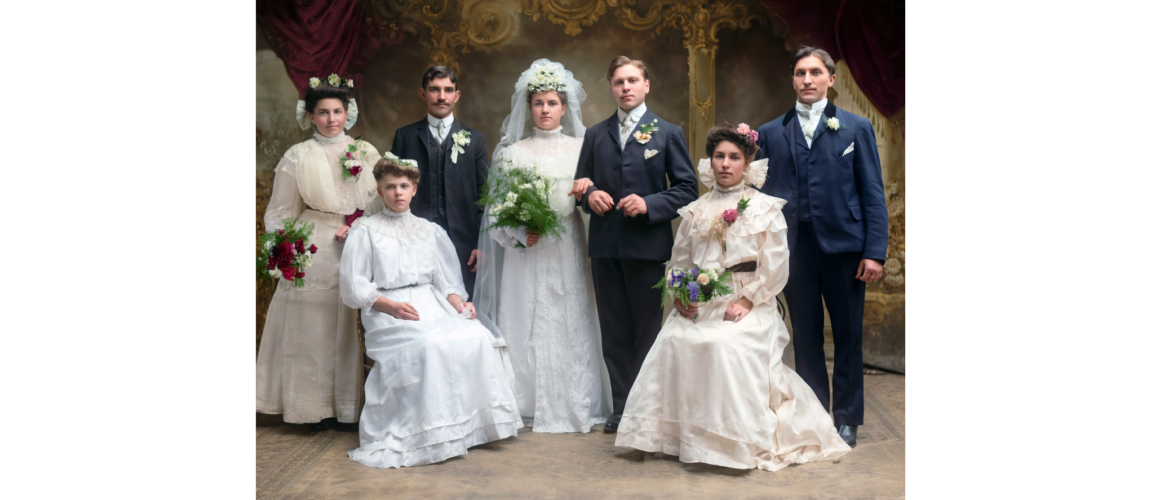
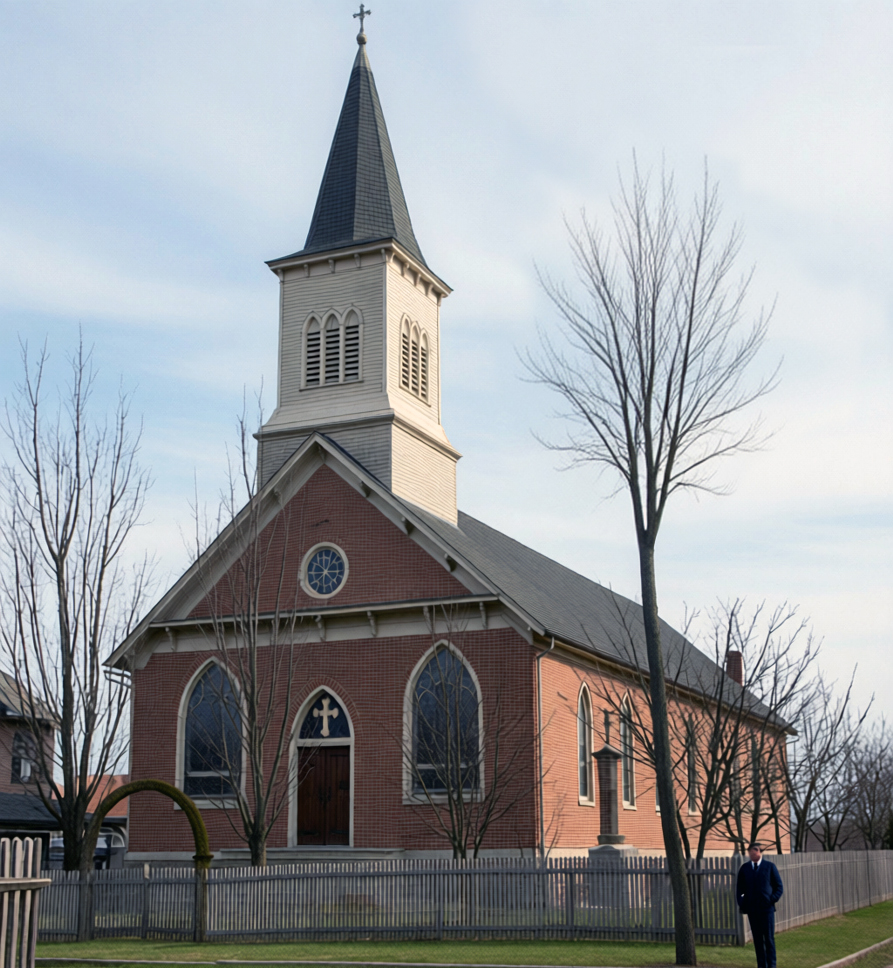
A characteristic feature of overseas emigration from what is now northwestern Slovakia was the pattern of repeated departures and returns; this earned the migrants the nickname “birds of the sea” in the US press. Agents provided information to prospective emigrants and handled the necessary documentation and travel logistics, though people also frequently traveled alongside experienced fellow countrymen. Emigrants typically boarded ocean liners in Antwerp, Bremen, or Hamburg. The story of the Tree of Peace is linked to the lives of the descendants of Štefan Sobola and Alžbeta Blaščík: Ondrej, Štefan, Jozef († died of cholera in childhood), Juraj († died of cholera in childhood), Anna († died of cholera in childhood), Ján, Alžbeta, Juraj, Jozef, and Adam. It was a large family, and three of its members traveled to the United States in search of work. The brothers Ondrej and Štefan traveled to the USA as early as around 1906, settling in the well-known Clifton Heights neighborhood of Philadelphia (Ján traveled later). Štefan Sobola even got married there on October 20, 1906, to Mária Marec (Maret) at the Slovak Church of St. John Nepomucene. Listed as witnesses were his brother Ondrej Sobola, Anna Očadlík, and Adam Šajnoha. Unique group photographs from this ceremony have survived. On the far right stands Ondrej Sobola, the family member whose life story inspired the creation of the international Tree of Peace initiative. His brother Štefan and his wife remained in the USA for an extended period; their son Jozef was born there in 1910. That is also why one of the first Trees of Peace was planted in the United States of America.
-
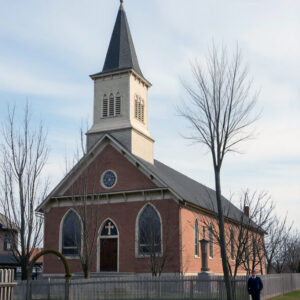
- Slovak Catholic Church of St. John Nepomucene in Clifton Heights
-
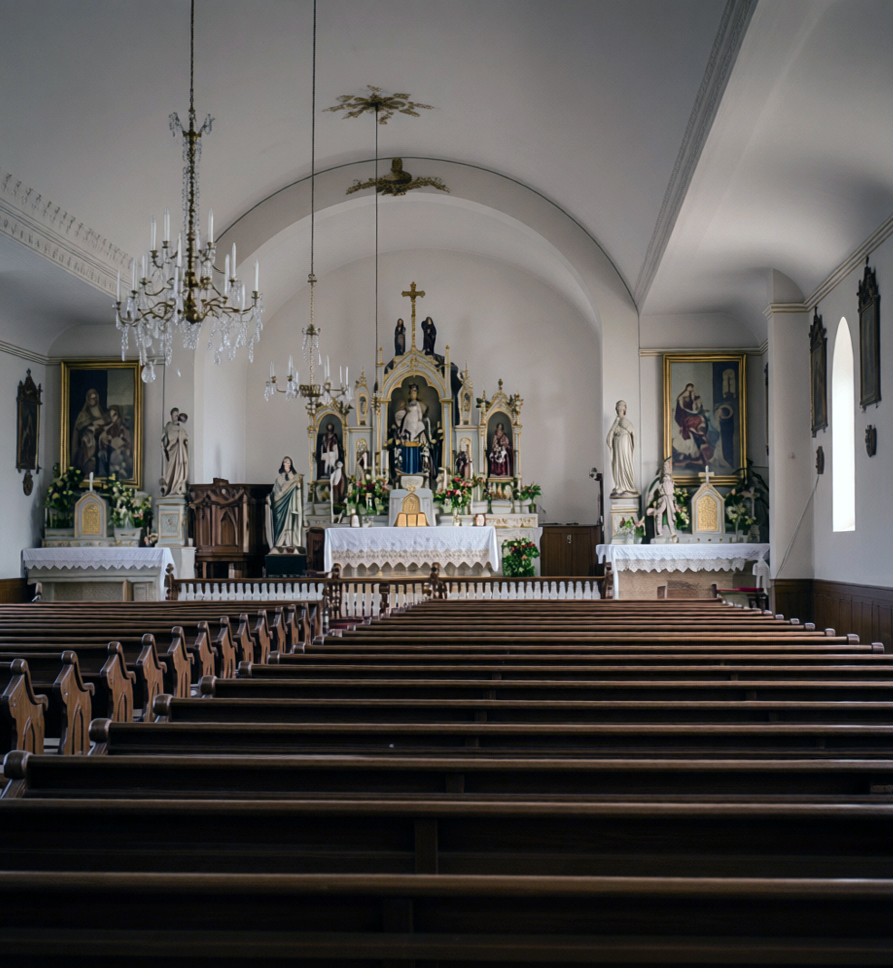
- Interior of the Church, 1906
-
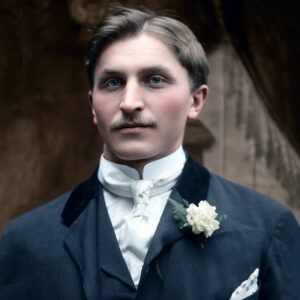
- Ondrej Sobola
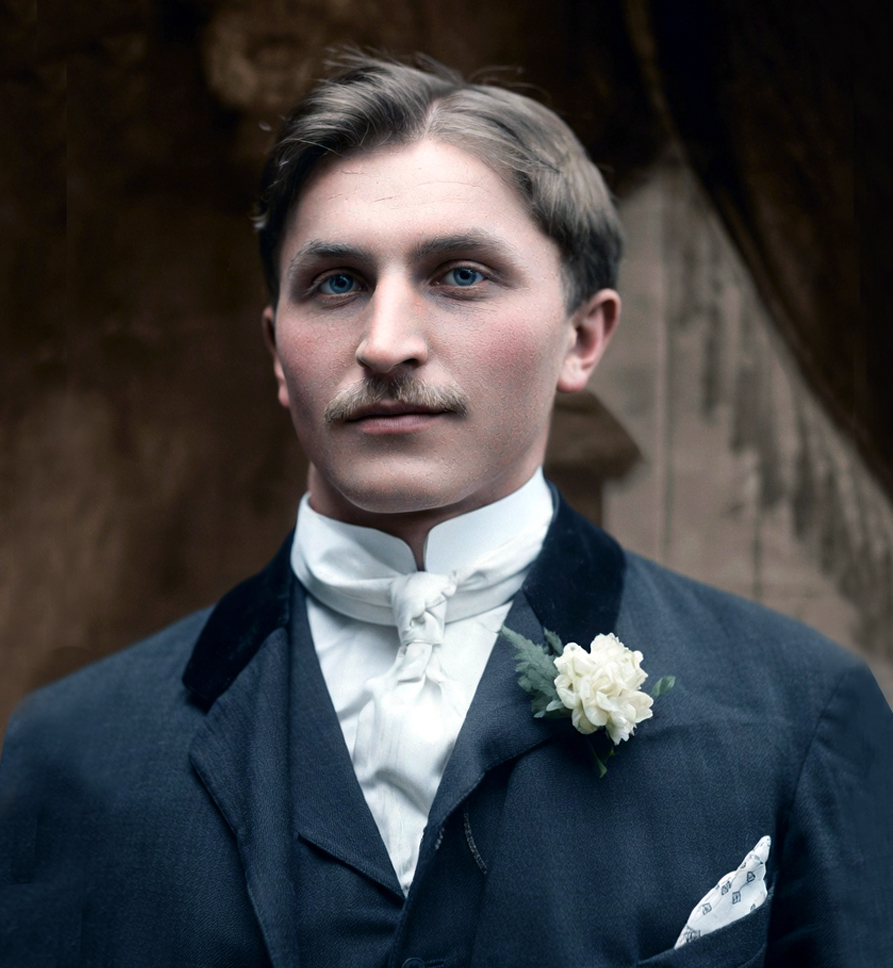
Ondrej returned to Lalinok between 1907 and 1910 and traveled back to the USA on November 30, 1910. Upon his arrival at Ellis Island, he stated the purpose of his trip as visiting his brother Štefan, who lived in Clifton Heights, Philadelphia. He arrived in the USA aboard the ship SS Friedrich der Grosse with 20 US dollars in cash. Štefan returned to his homeland, likely to invest in real estate. He set sail for the USA from Bremen. He arrived at his destination on October 5, 1912, aboard the SS Kronprinz Wilhelm; this time, the nature of the visit was reversed—in Philadelphia, he visited his brother Ondrej, who had likely been looking after his family, as his young son Jozef had certainly remained in the United States. Due to his stay in Philadelphia, Ondrej did not participate in military exercises in 1912. He returned to Lalinok for good before 1914 and enlisted in the army following the outbreak of World War I. Štefan, however, was still living in the USA when the war broke out and throughout its duration. Nevertheless, he could not entirely avoid contact with military-related events. Between 1917 and 1918, a registration process was conducted for all men aged 18 to 45 residing in the USA—including immigrants—who had at some point served in the military. Štefan Sobola filled out a World War I Draft Registration Card on September 12, 1918; from this document, we learned, among other things, that he worked as an ice cream maker for the well-known American firm Breyers Ice Cream Company in Philadelphia. Census records indicate he was still living in the United States in 1920, after which he returned permanently to the newly established Czechoslovakia.
The stories of the Sobola family closely mirror those of thousands of Slovaks who sought their fortune overseas during the first third of the 20th century. For those who returned, the experience of emigration manifested itself in the disruption of their traditional way of life and the introduction of urban cultural elements into the rural environment. The diversity of the settings in which the emigrants lived, along with linguistic and cultural differences, created opportunities for the exchange of various material and non-material values; these exchanges left a distinctive mark on the lives of the returnees and, through them, on the traditional culture of northwestern Slovakia. This influence extended to family life, village social dynamics, clothing, architecture, hygiene, dietary habits, the mechanization of agricultural work, and the education of the population.