Rep. n° 17/2026
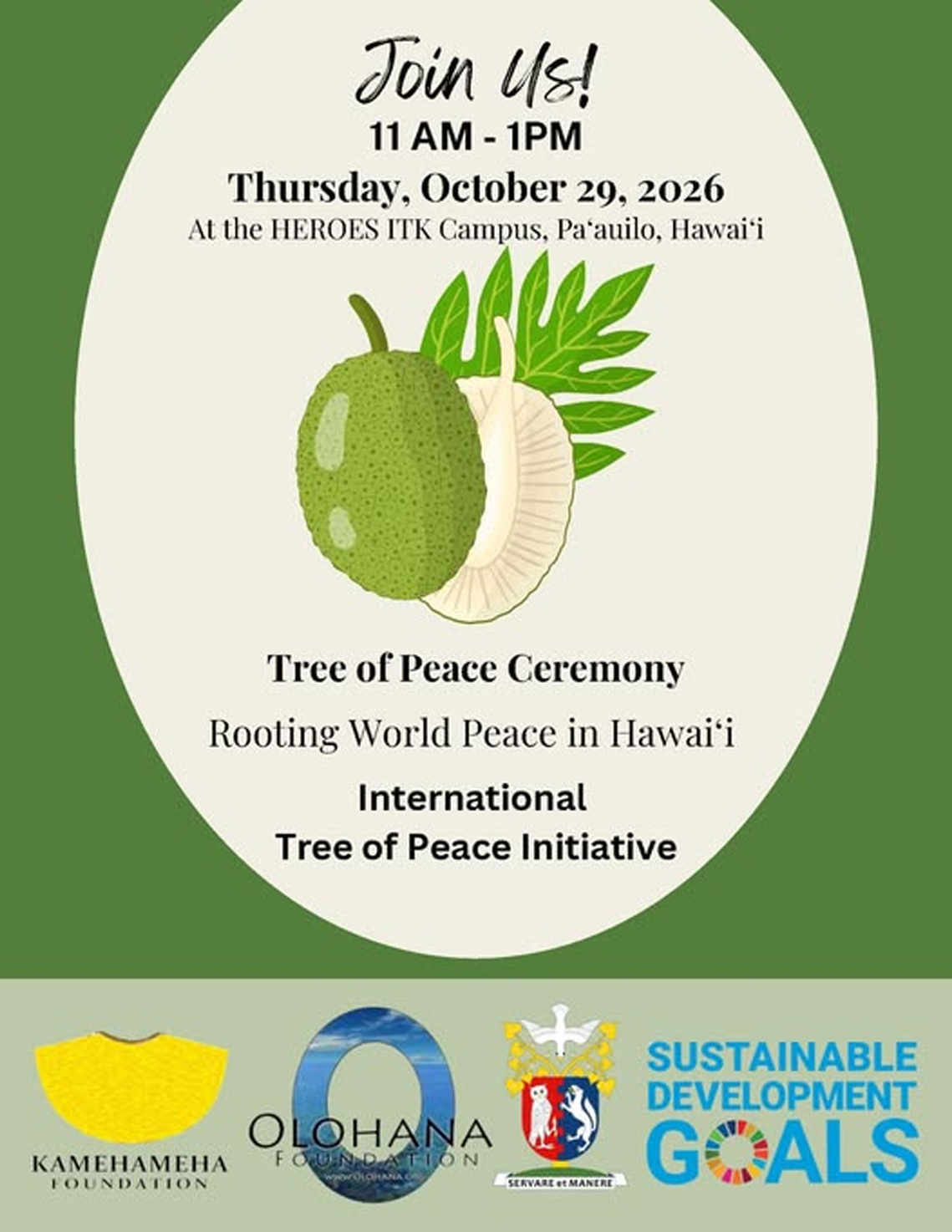
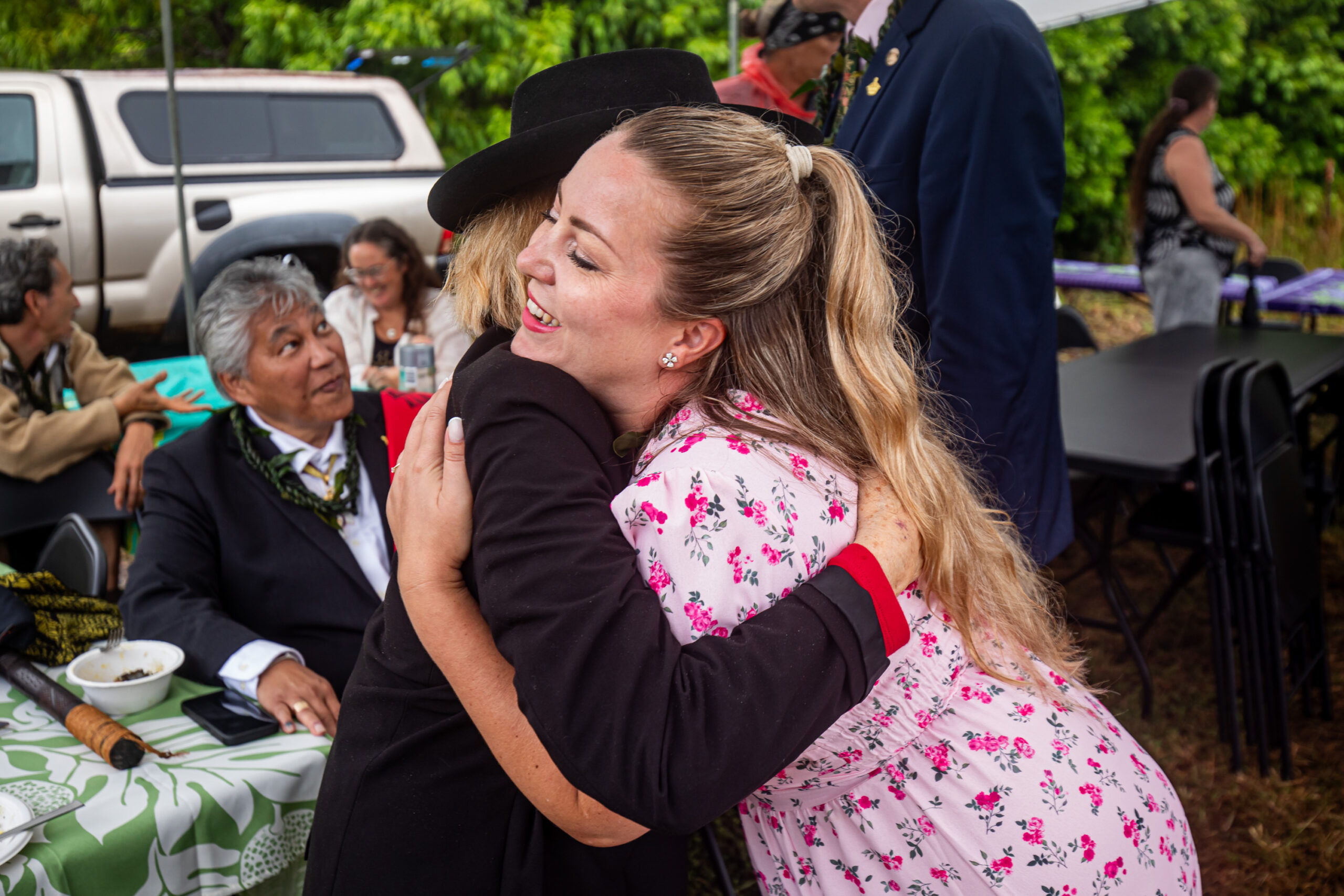
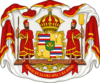
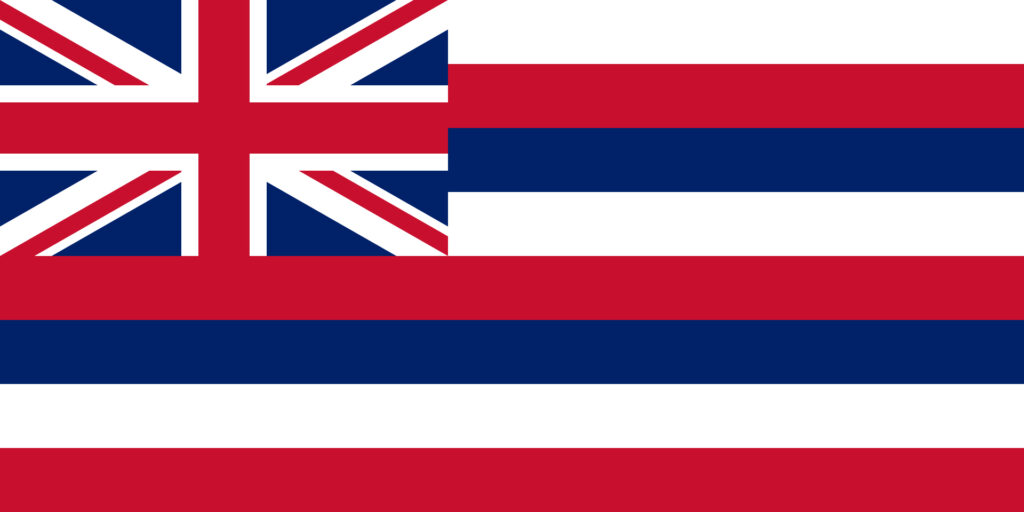
Paʻauilo, Hawaiʻi, October 29, 2026. An extraordinary meeting with Her Royal Highness Princess Owana Kaʻōhelelani, the current Head of the Hawaiian Royal Family, resulted not only in a new friendship but also in the planting of the 45th Tree of Peace, a milestone addition to the project in Oceania. The Hawaiian Kingdom (Ke Aupuni Hawaiʻi) was an independent island state from 1795 to 1893. Following a coup in 1893, the Kingdom ceased to exist and was later annexed by the United States as the Territory of Hawaii; in 1959, it became a full-fledged U.S. state. In 1993, the United States Senate passed a resolution apologizing for the overthrow of the Hawaiian Kingdom. The Princess is a very kind and warm-hearted lady, possessing a true royal majesty, who is working toward the restoration of the Kingdom.
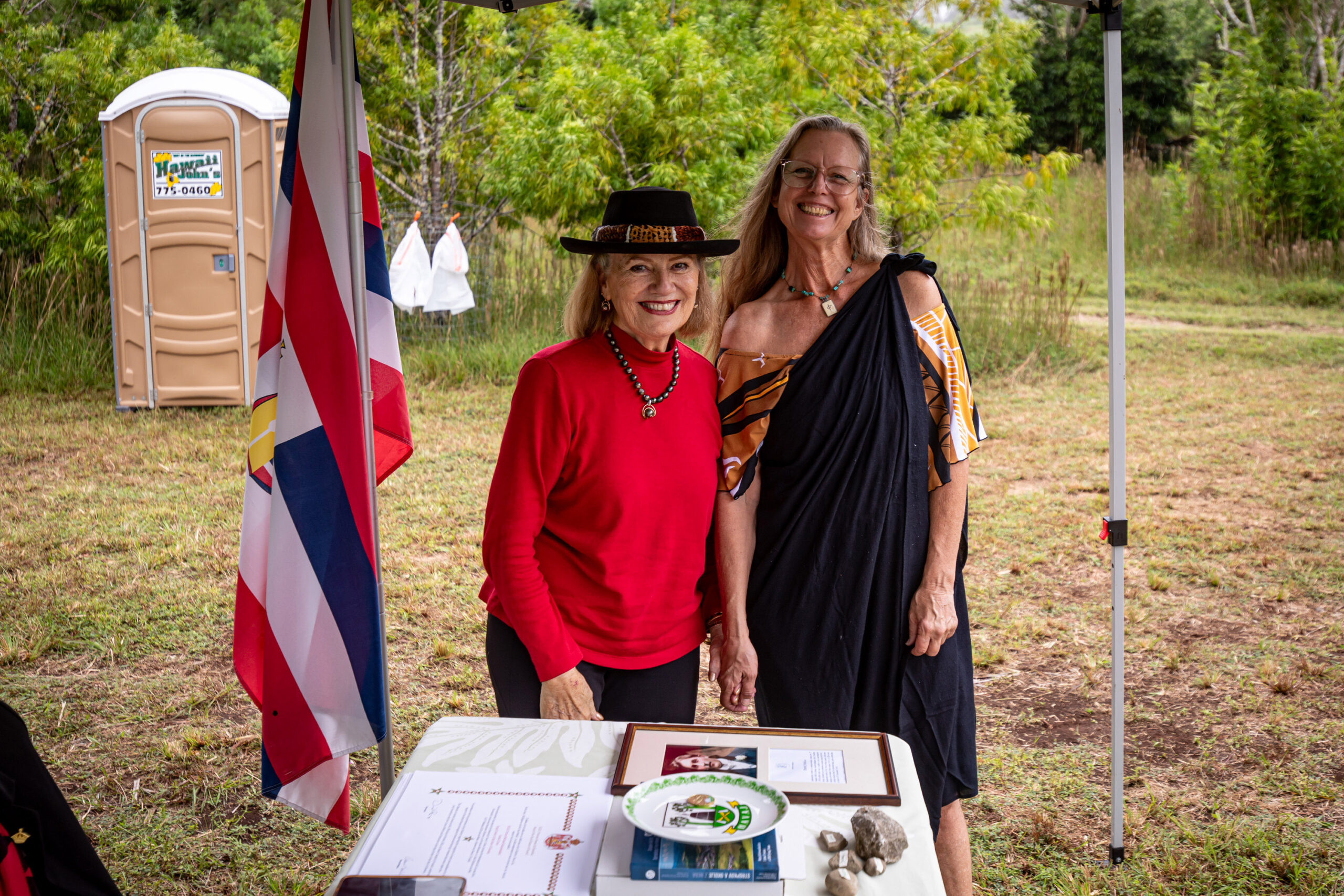
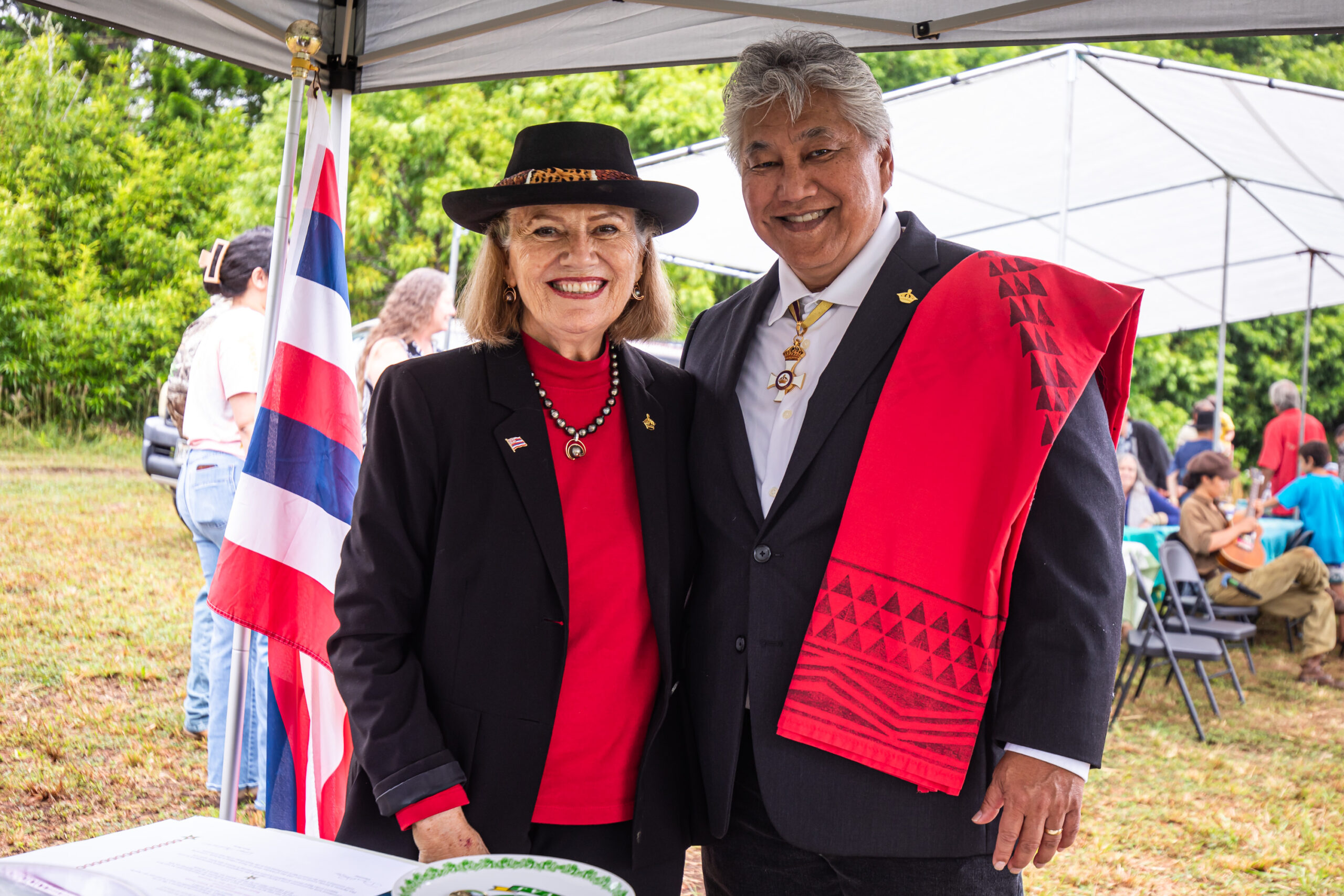
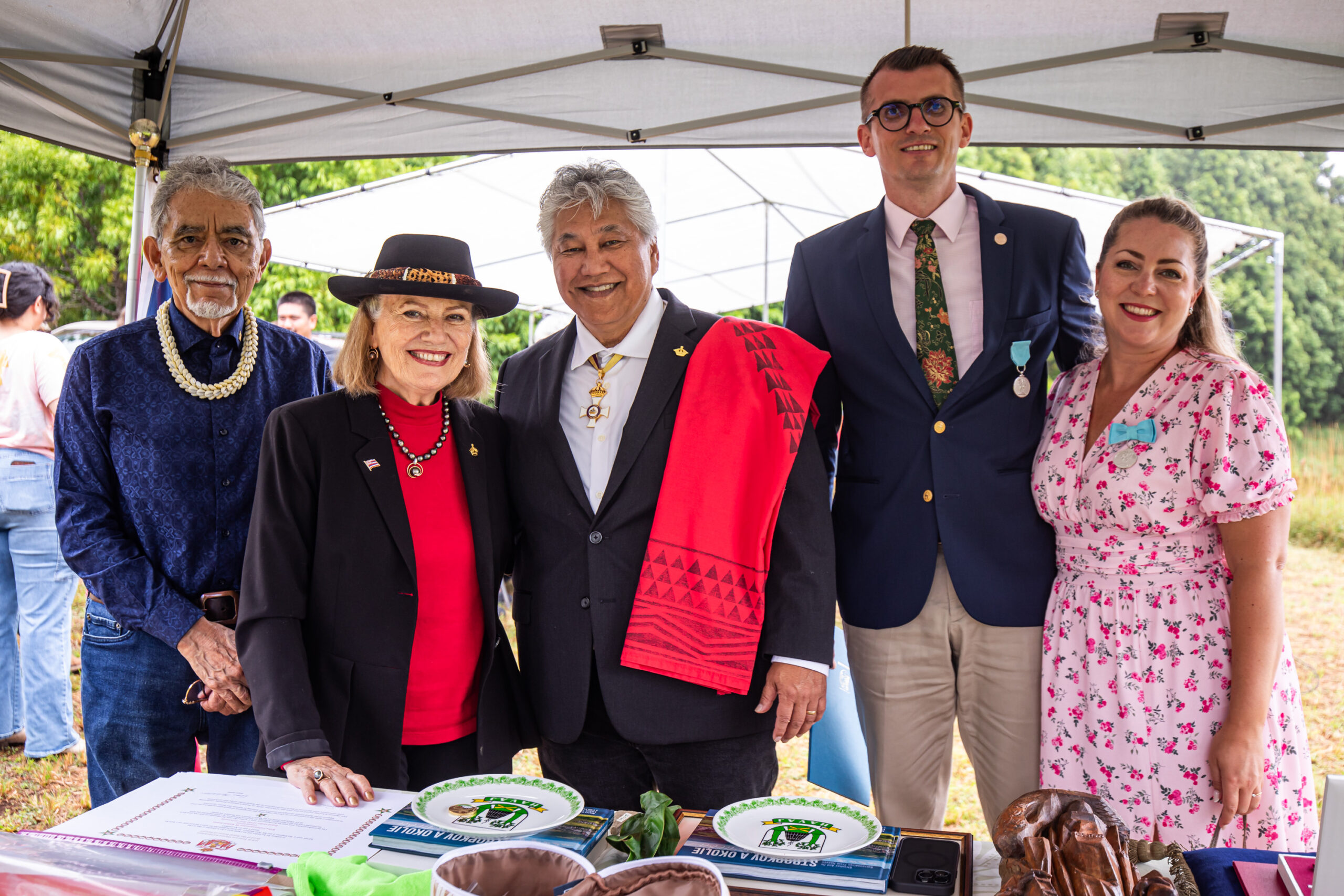
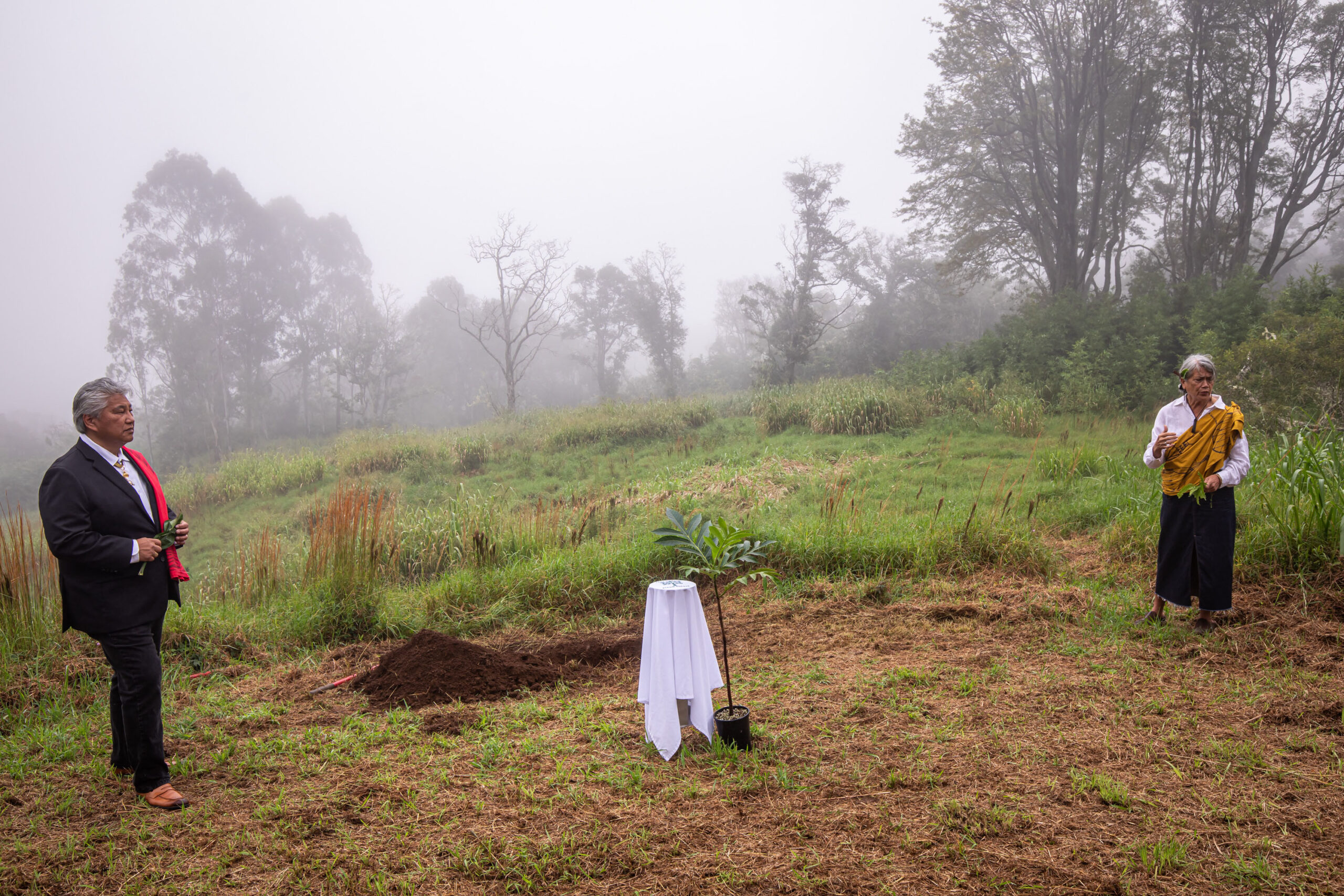
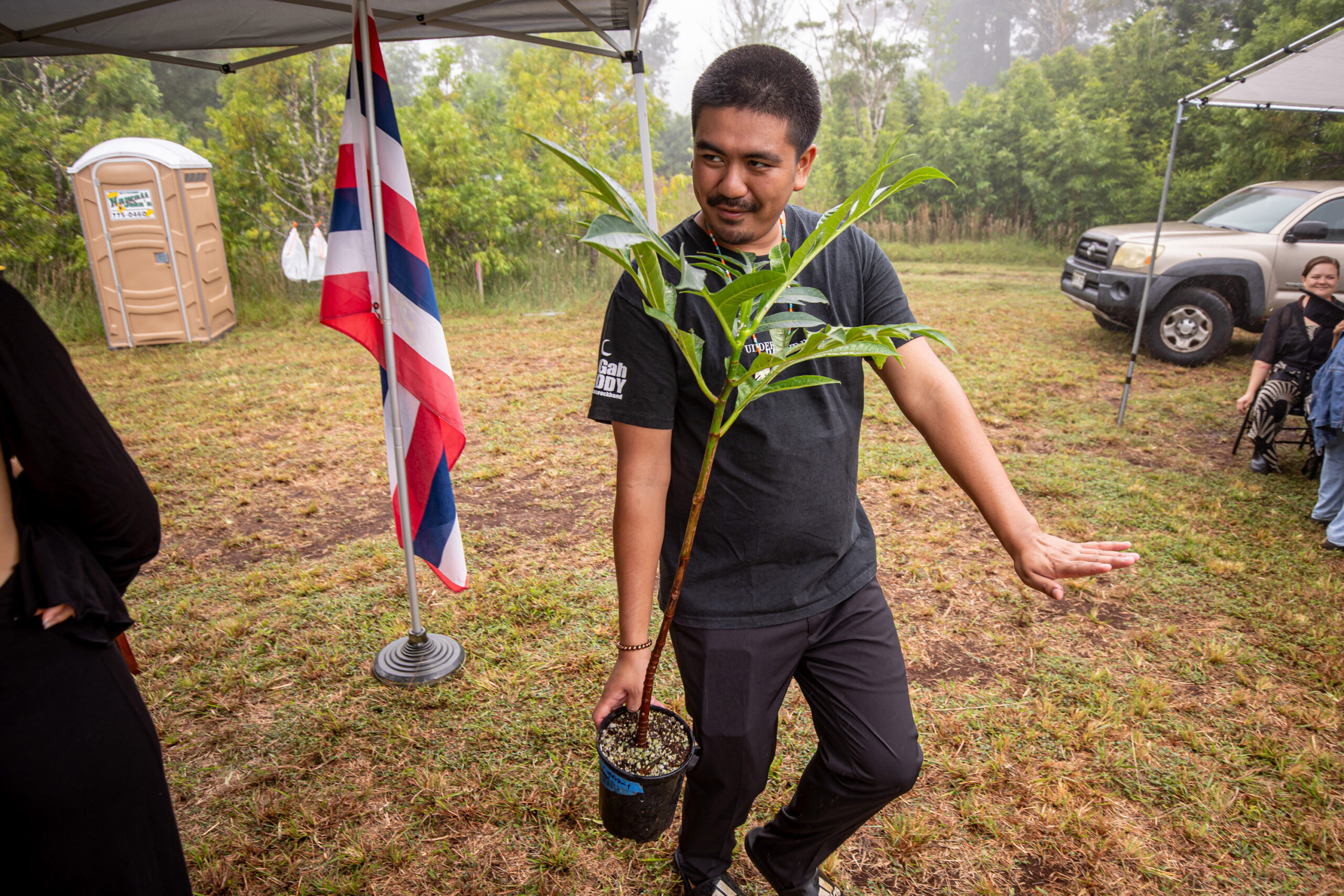
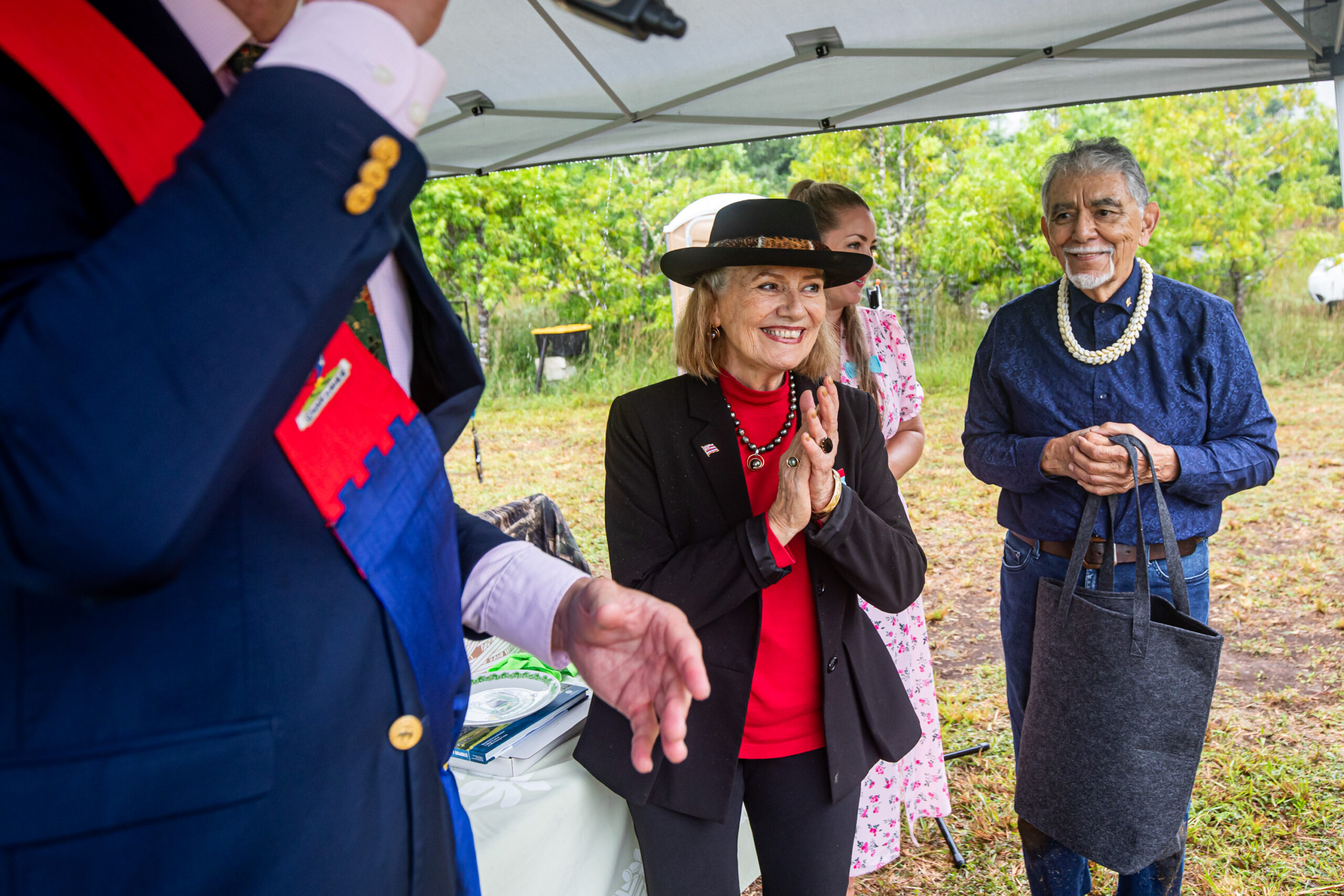
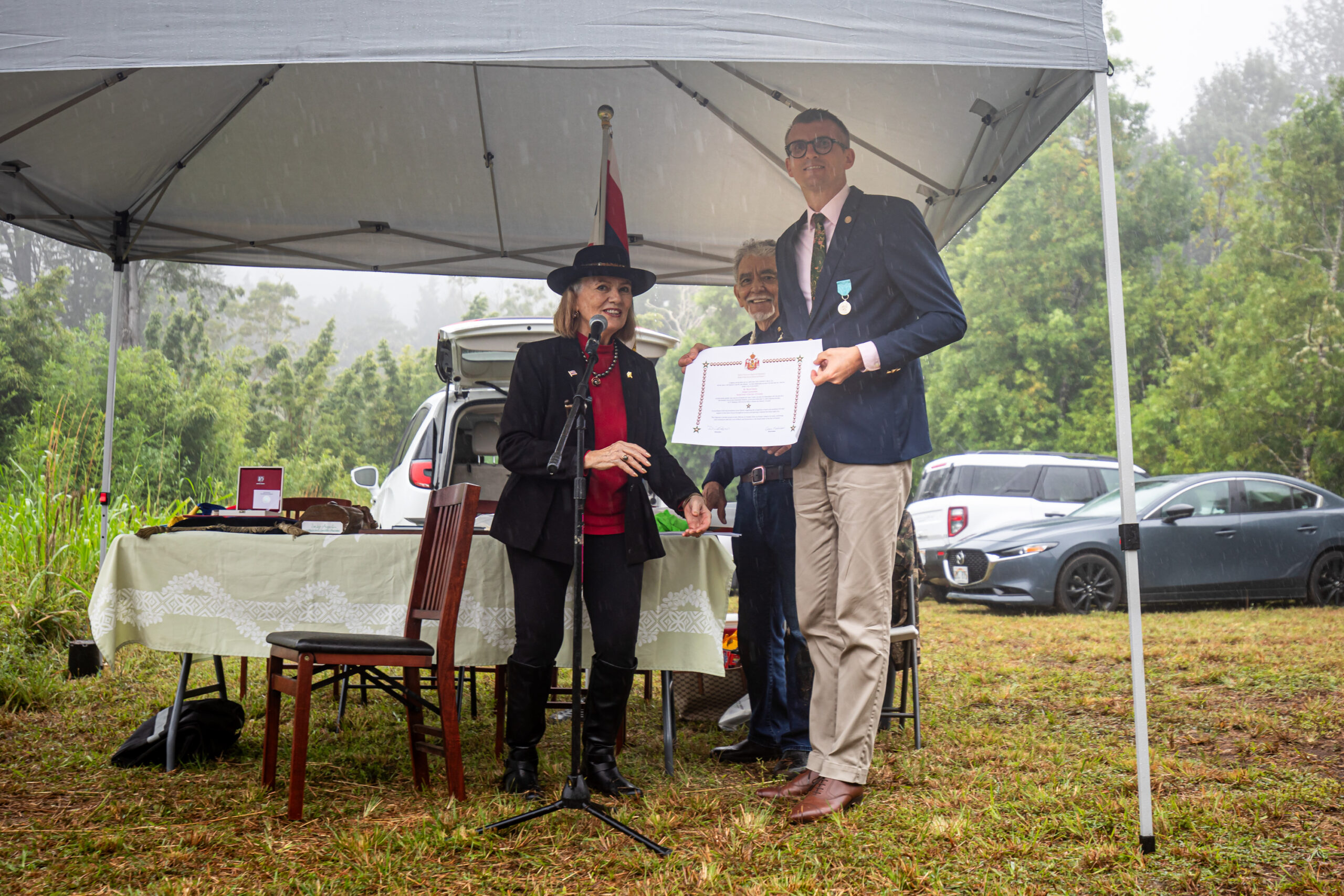
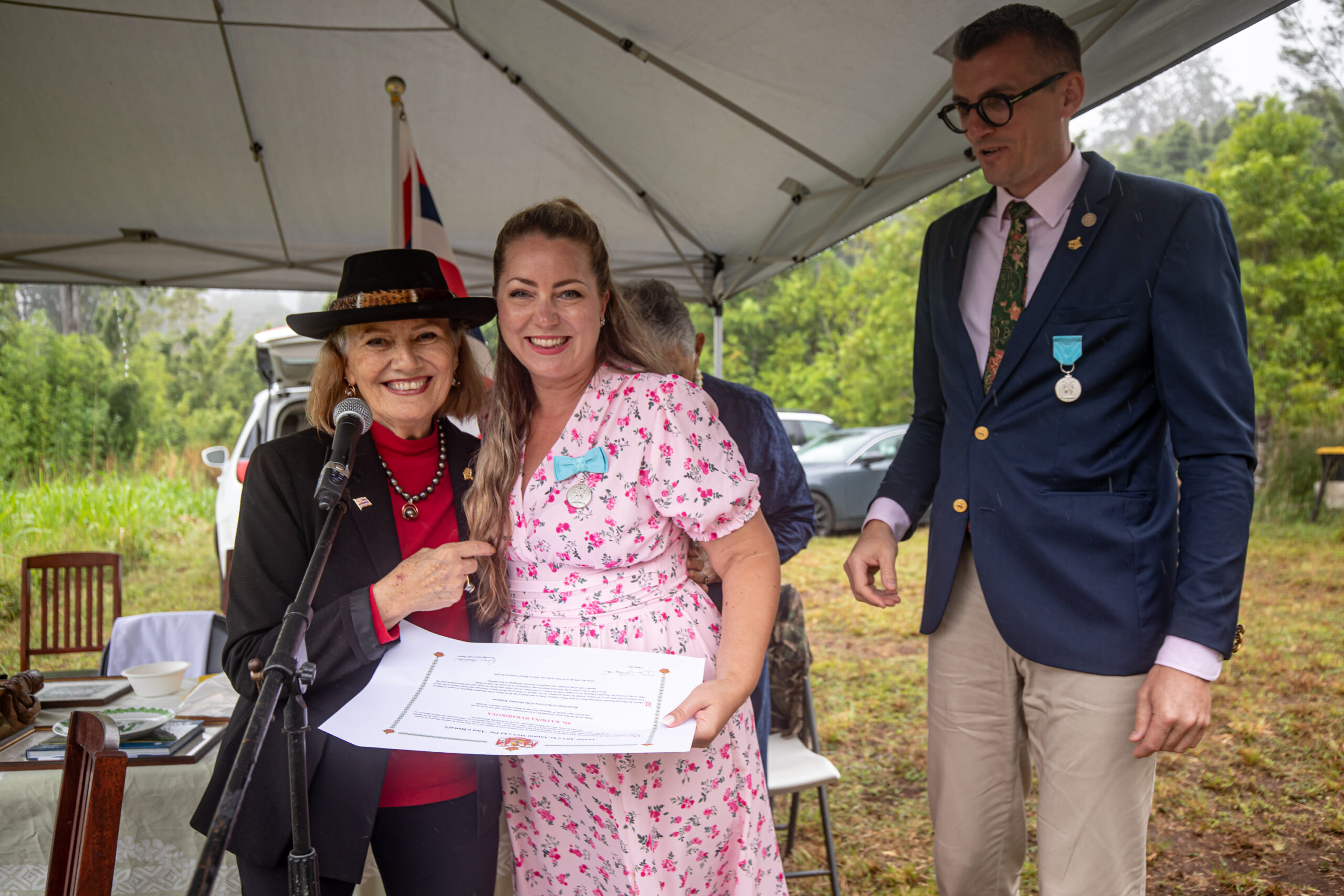
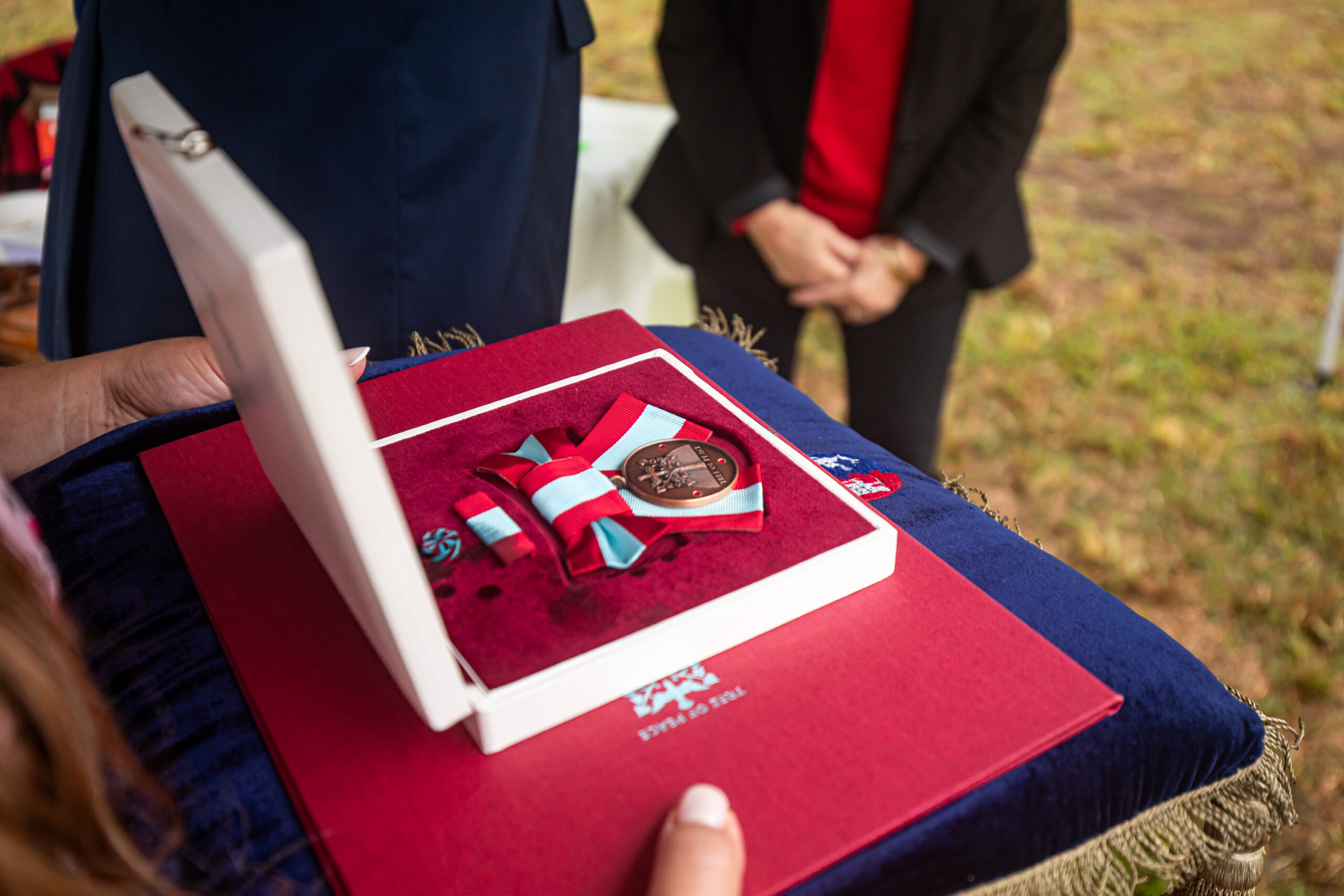
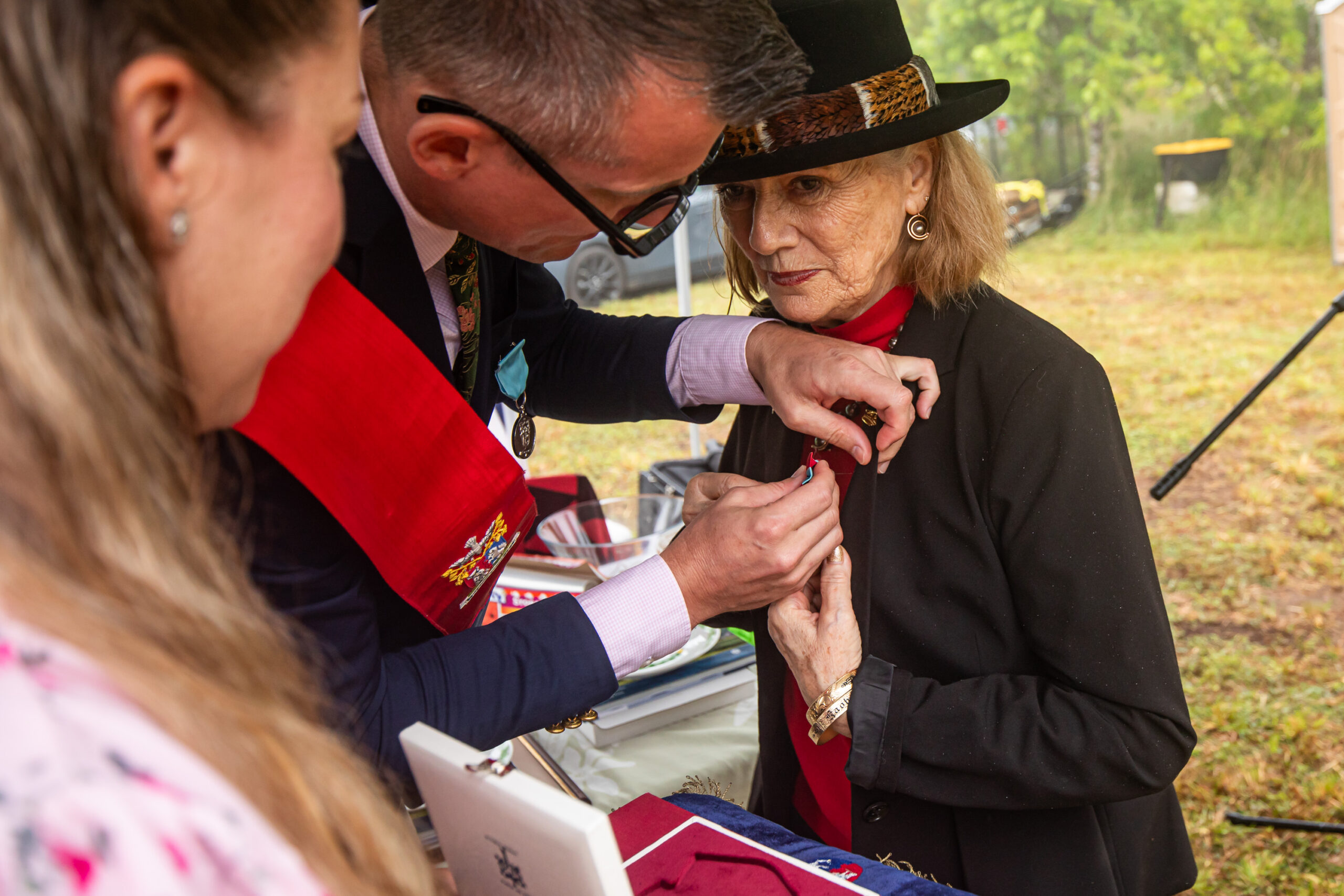
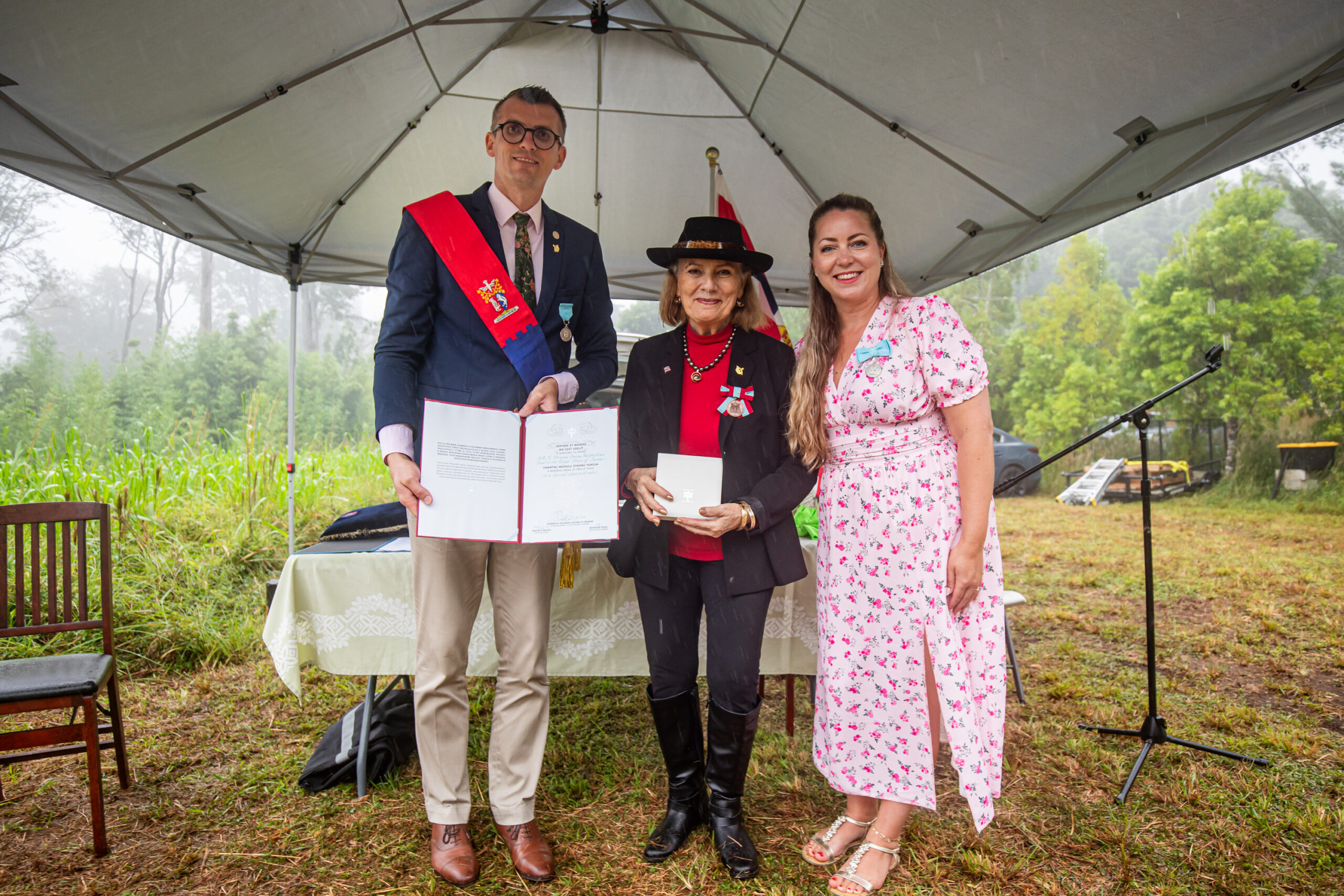
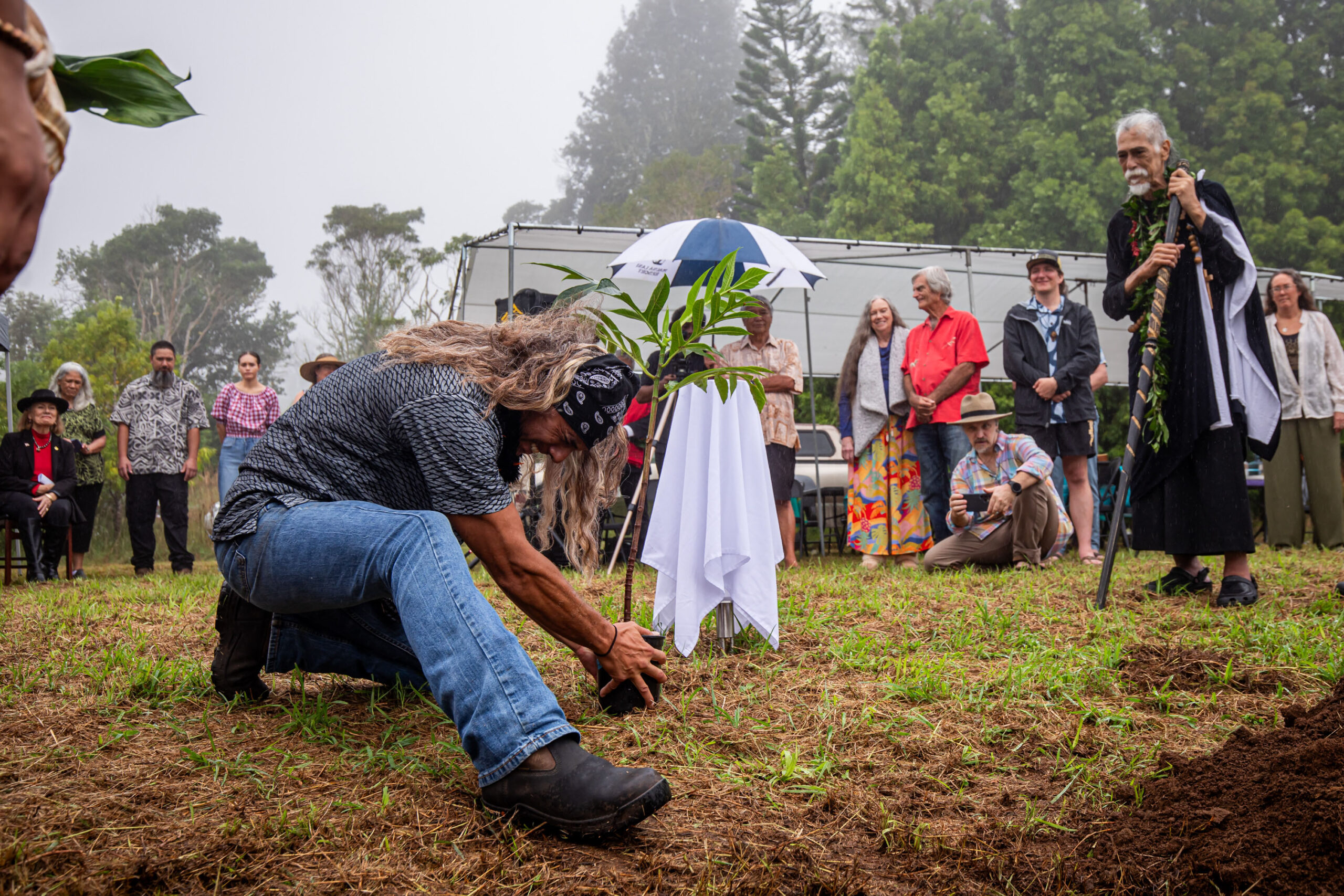
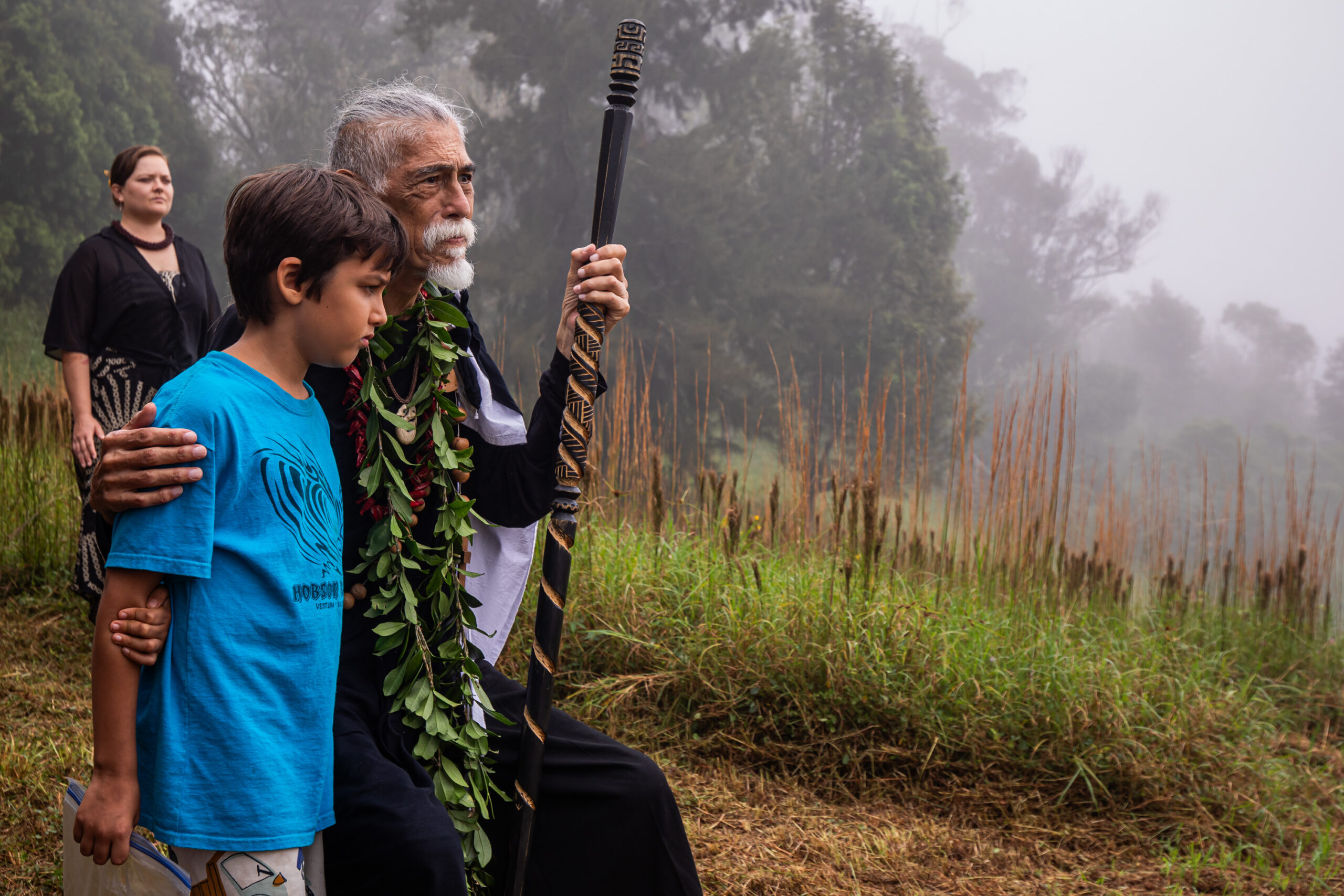
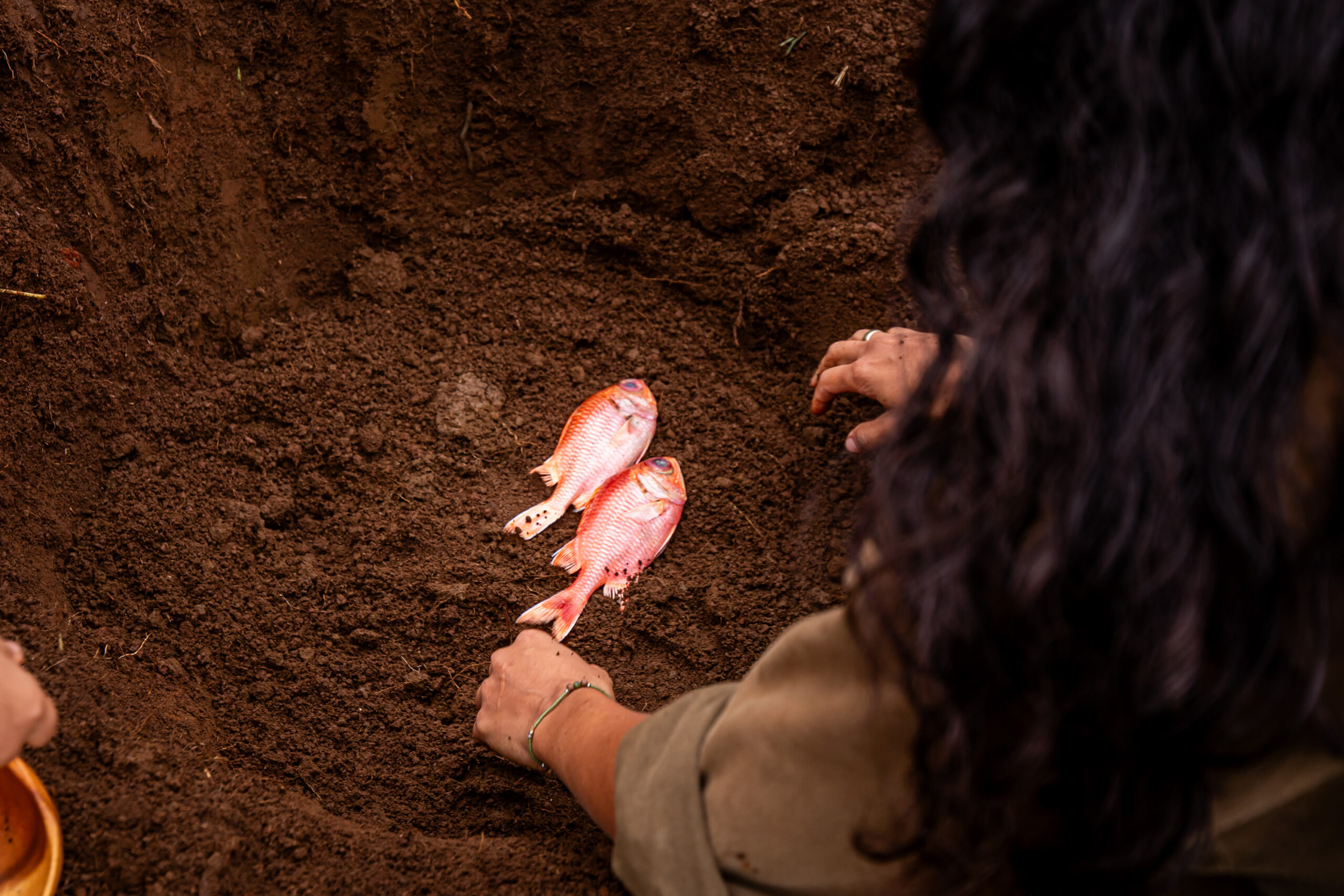
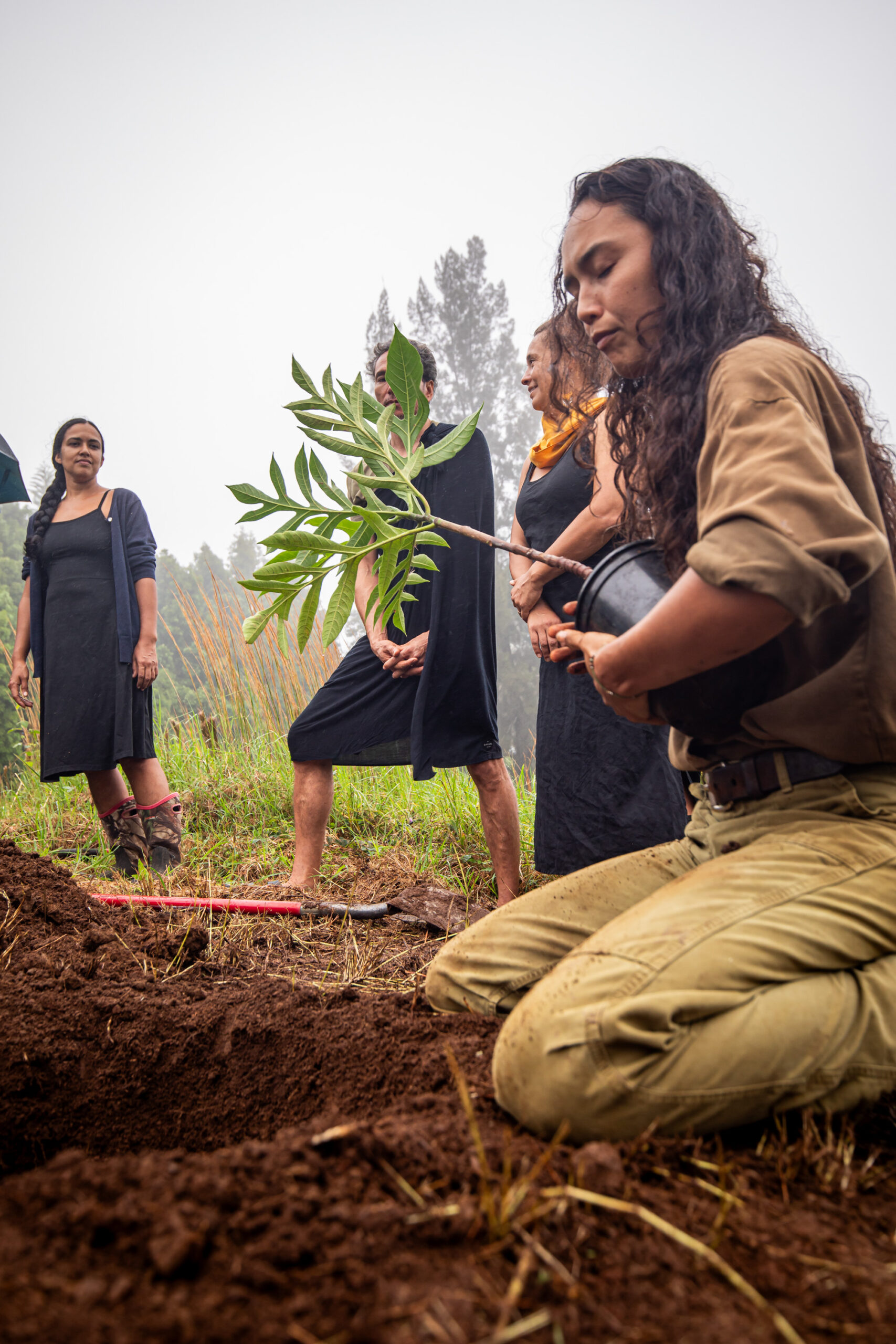
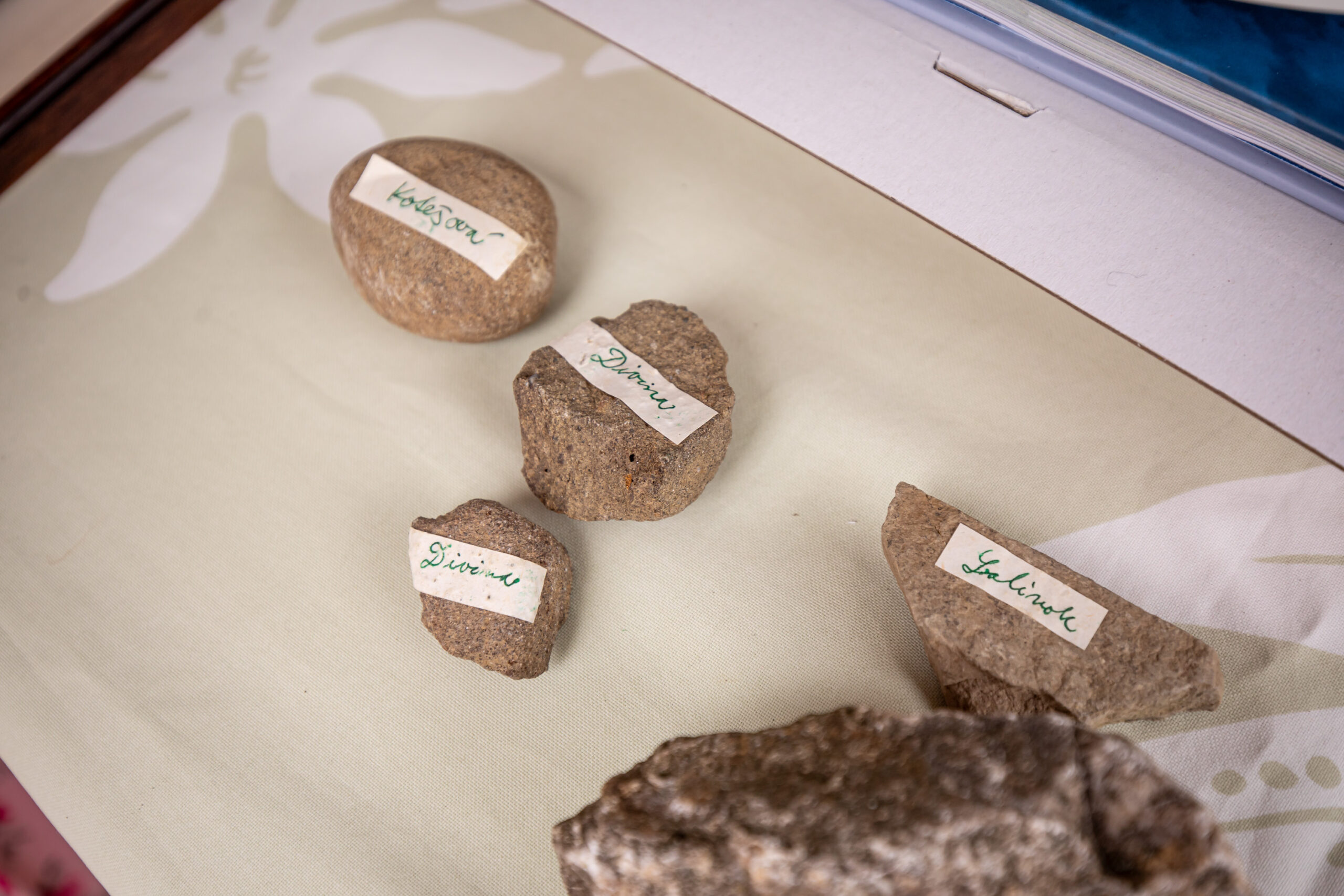
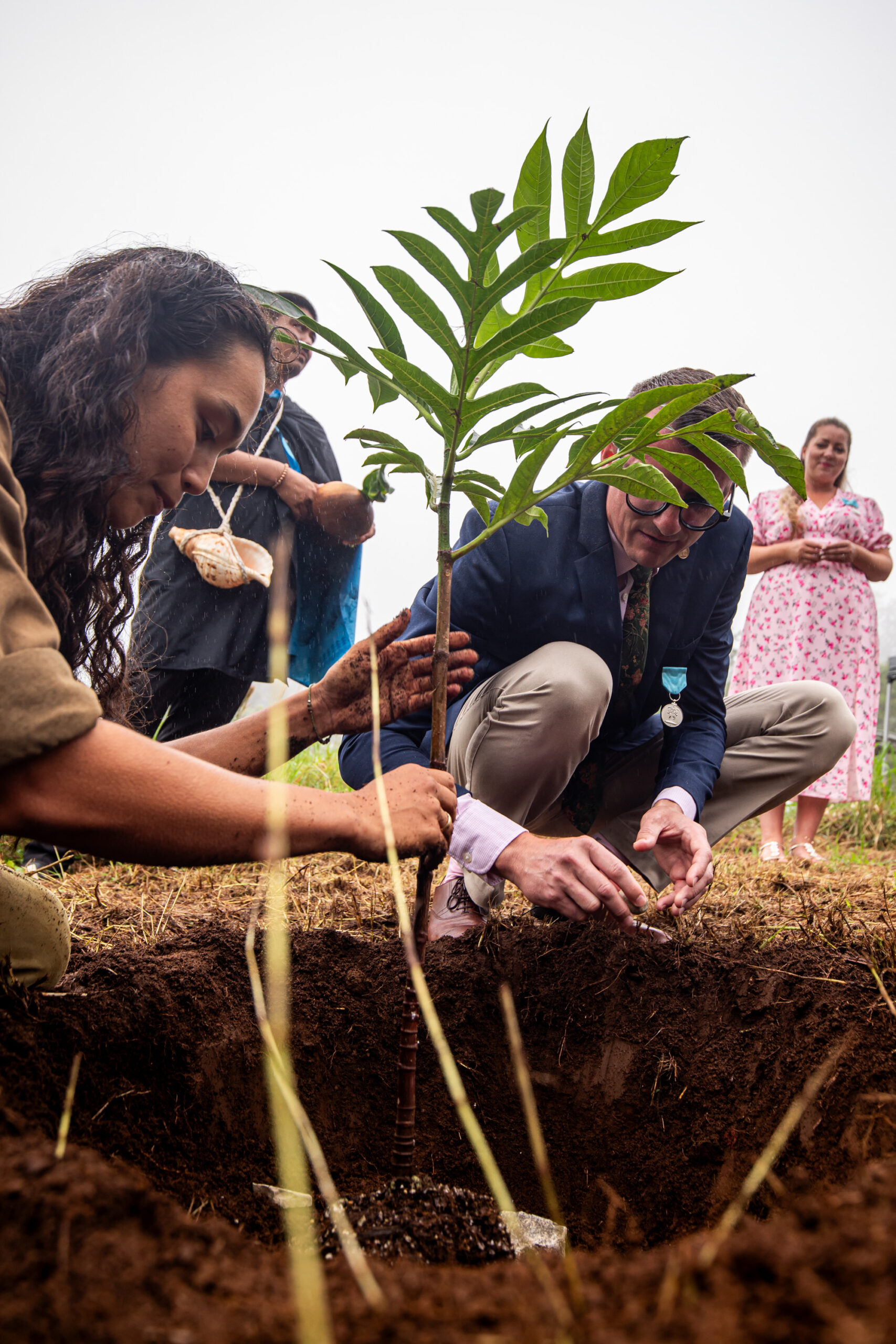
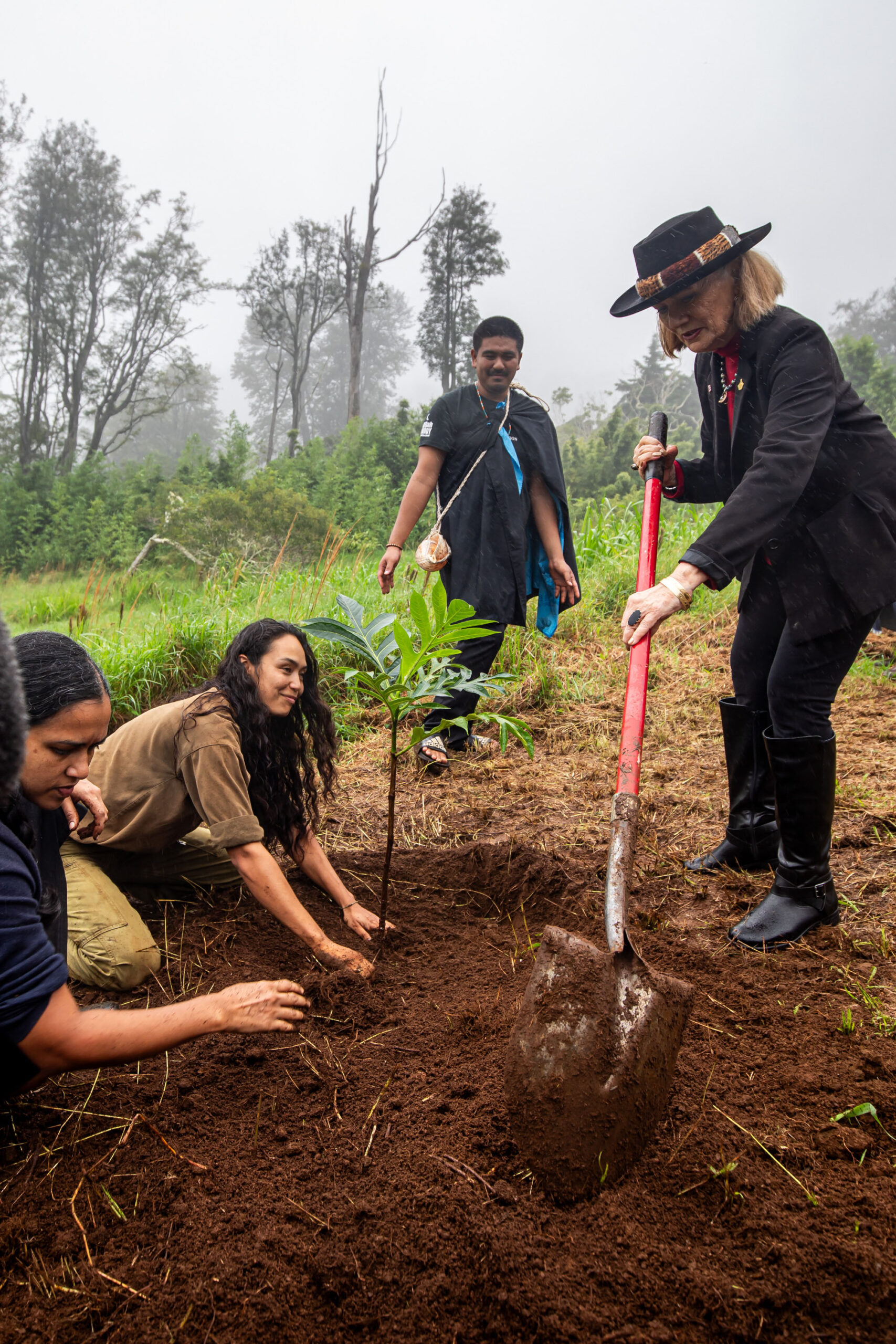
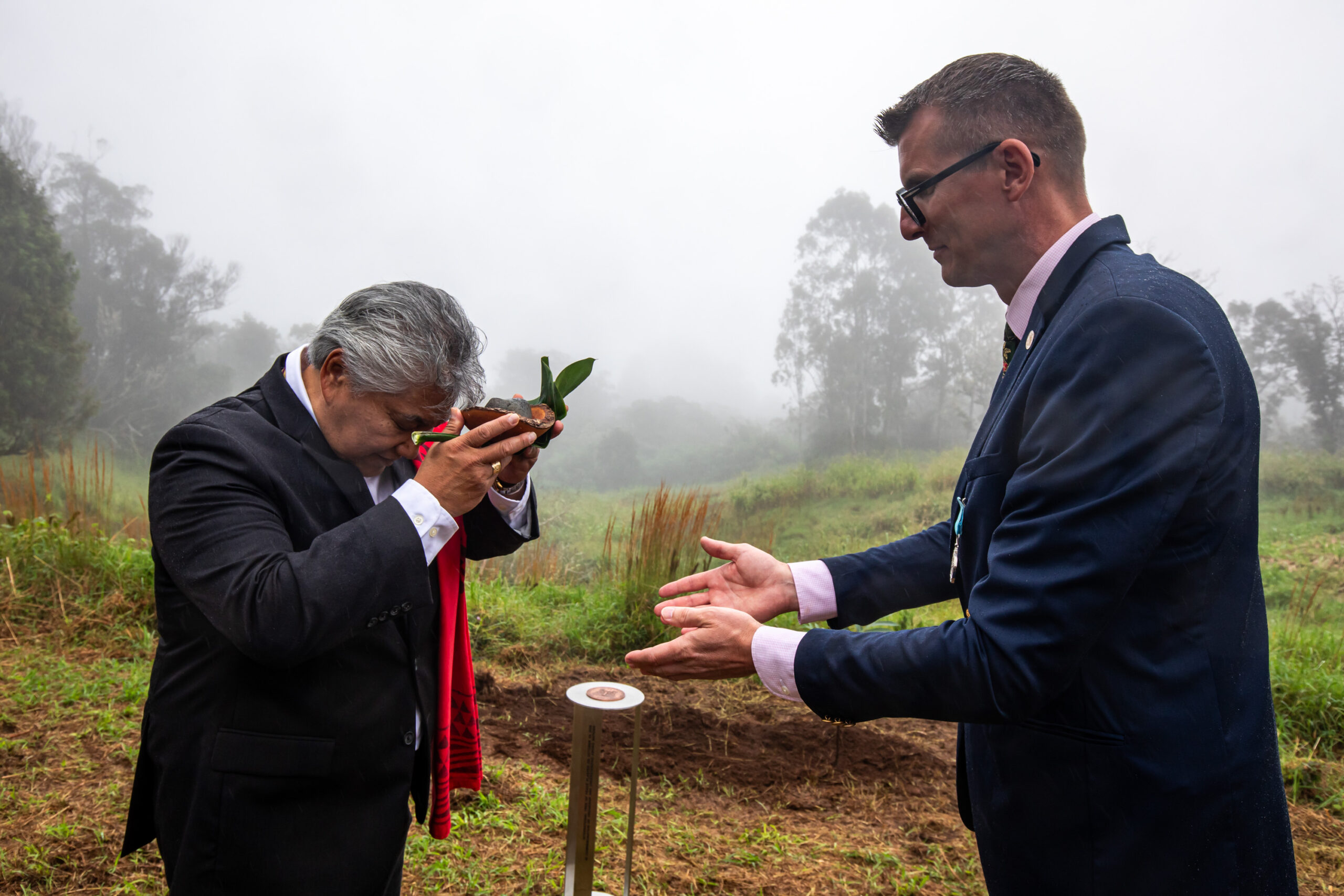
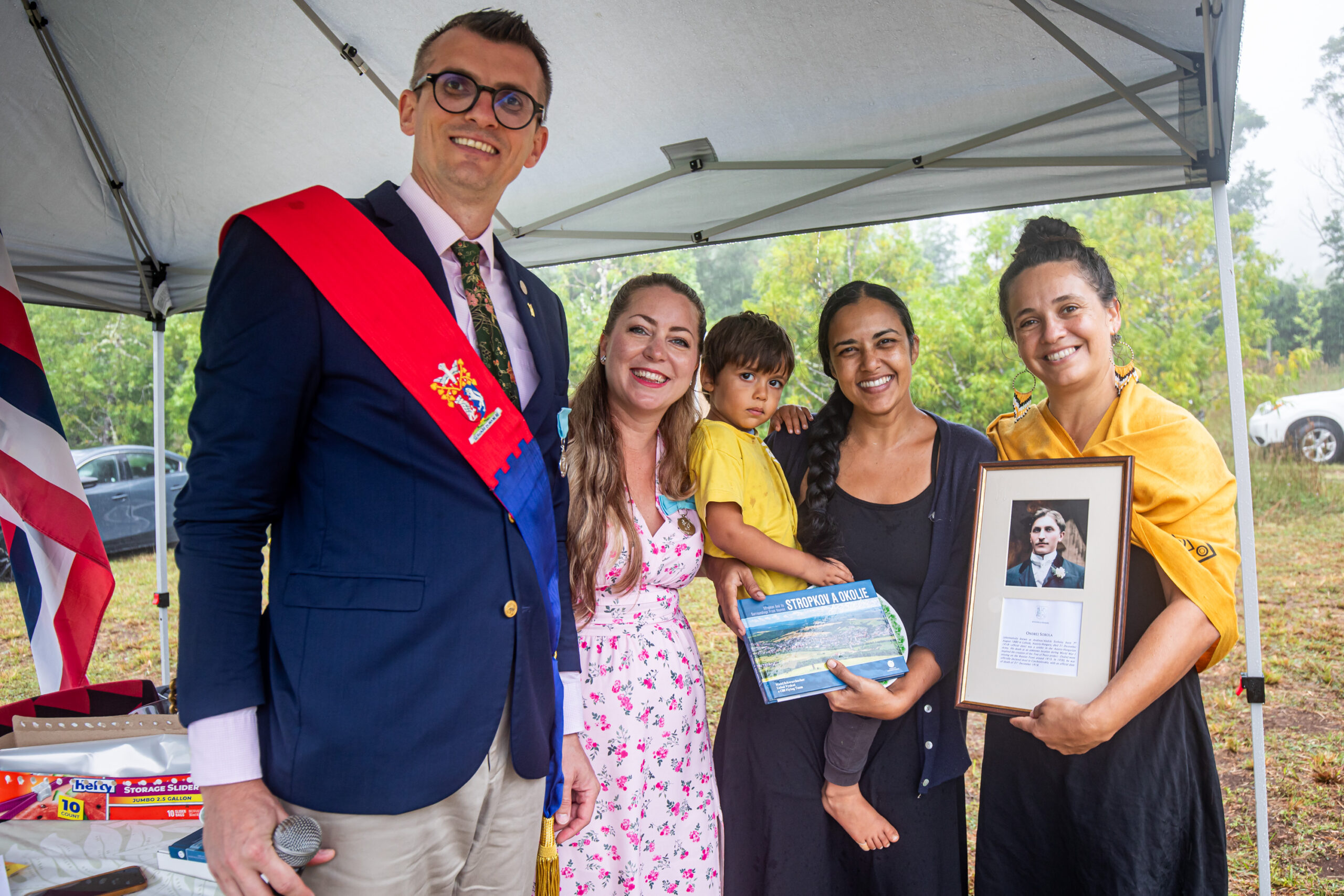
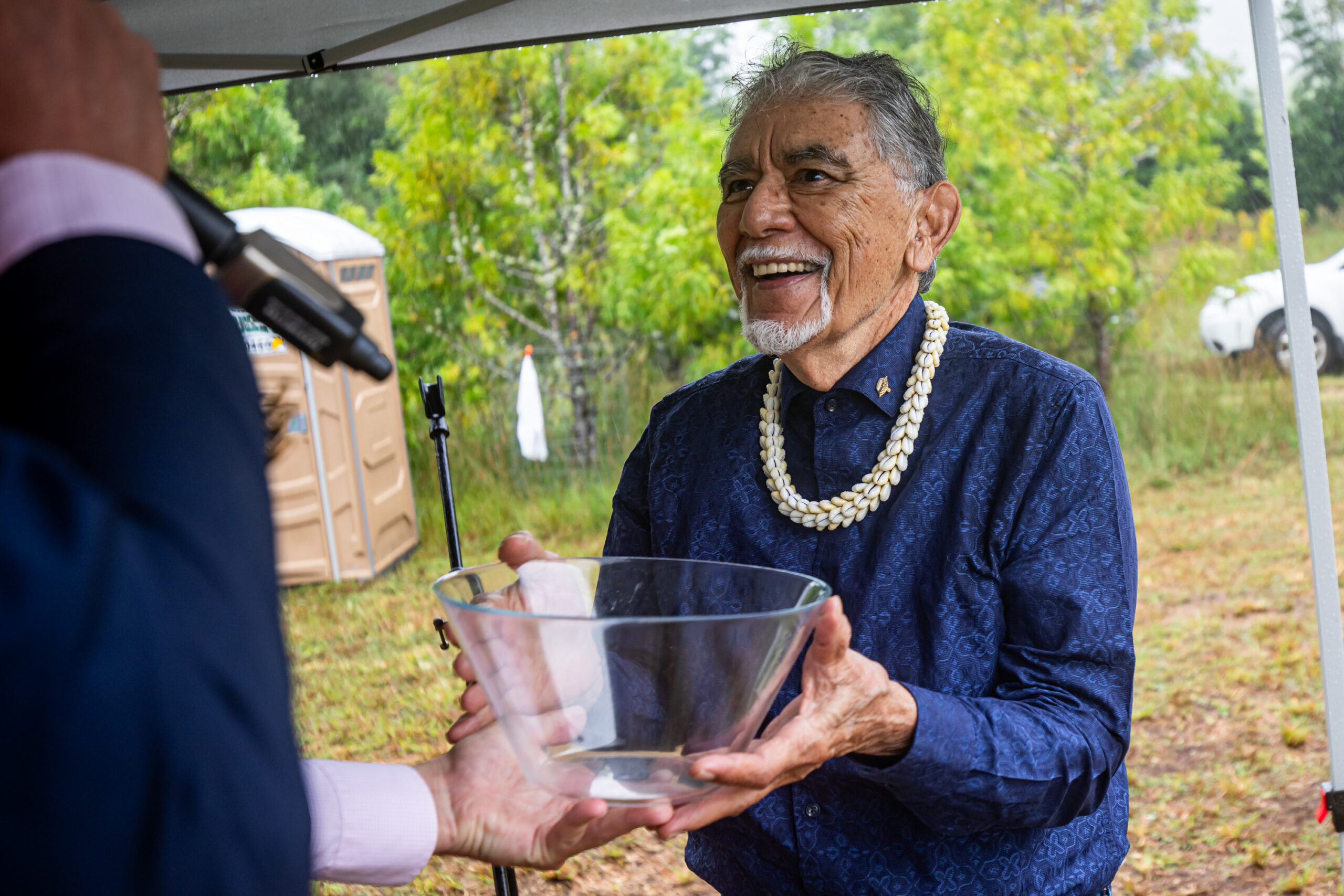
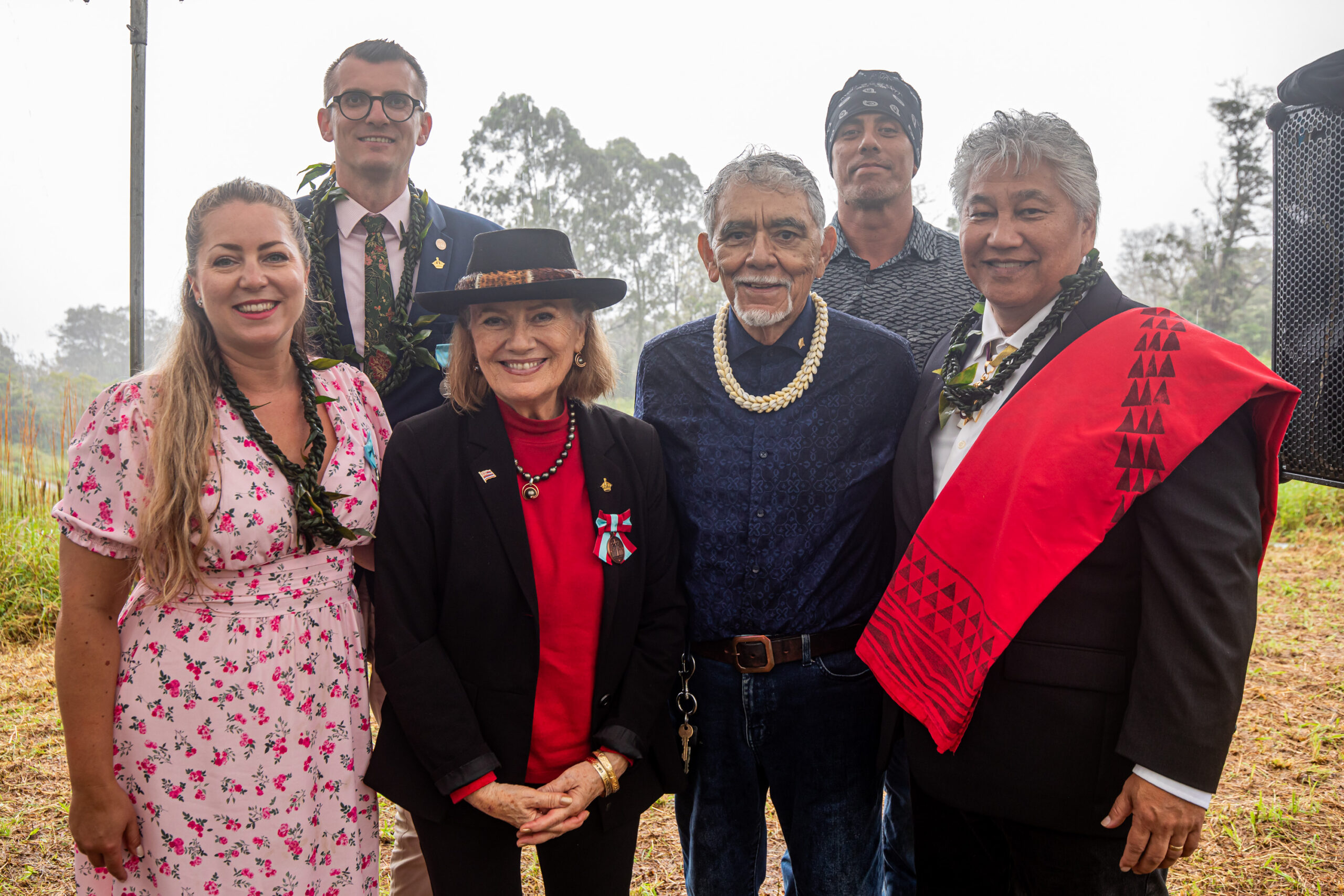
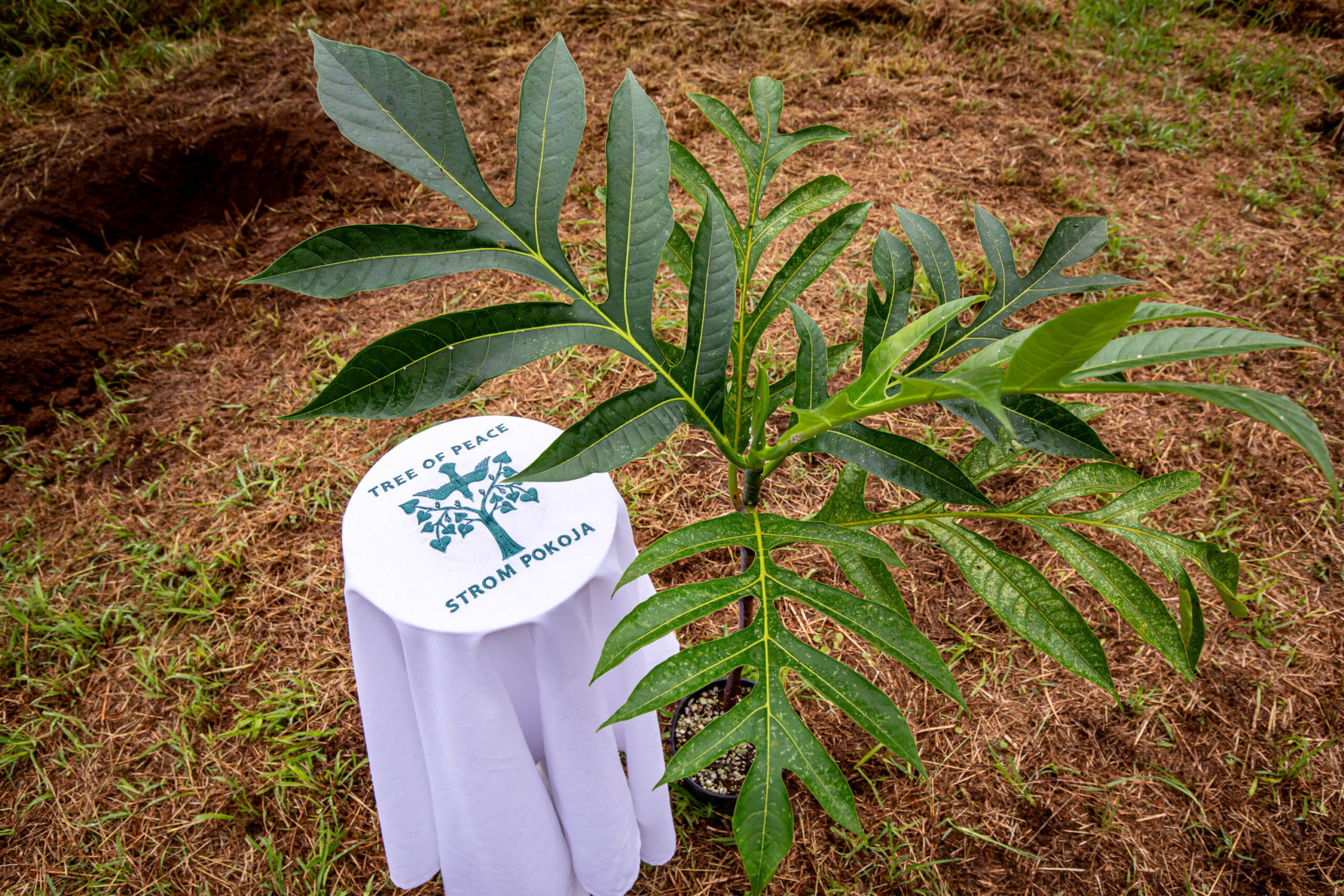
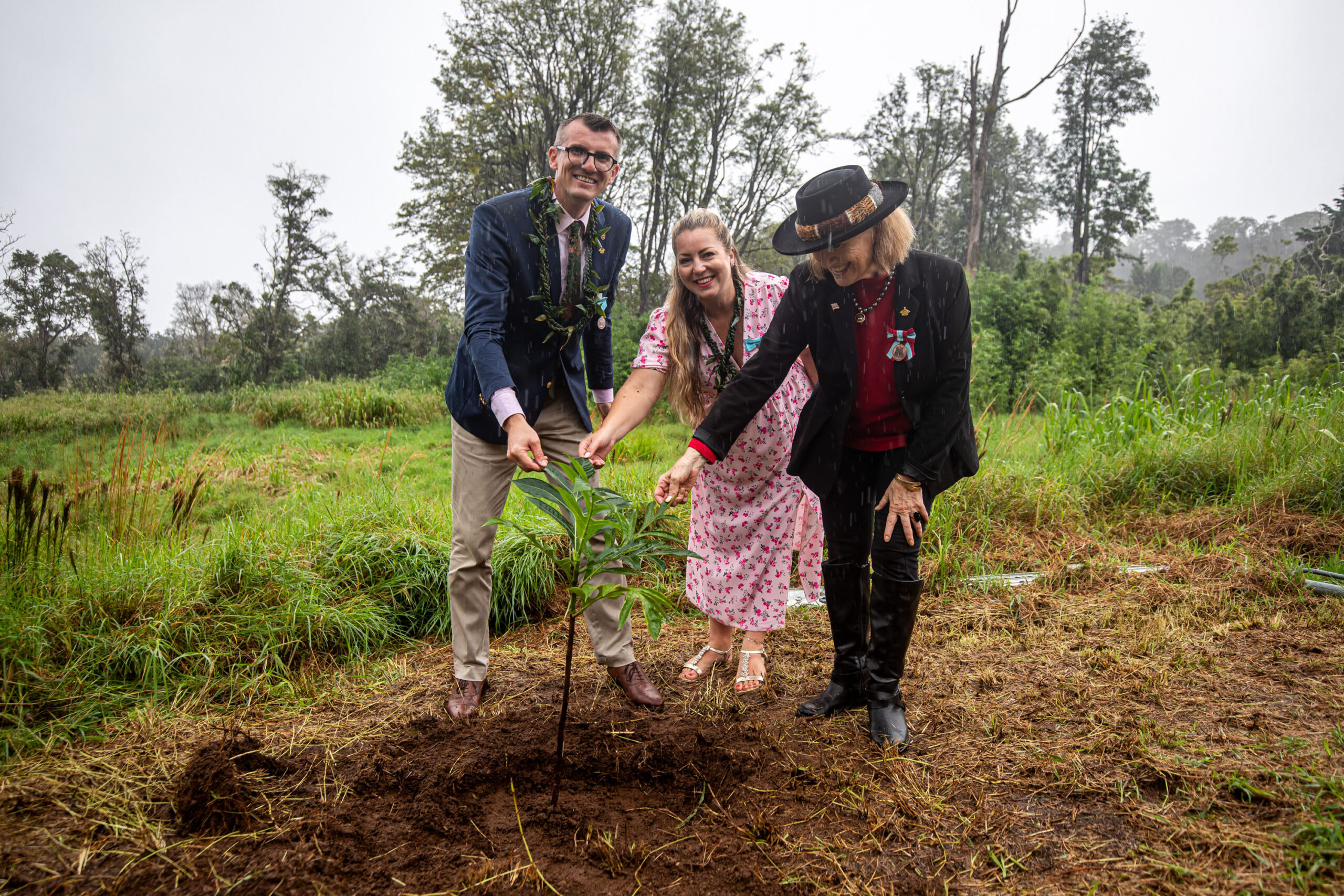
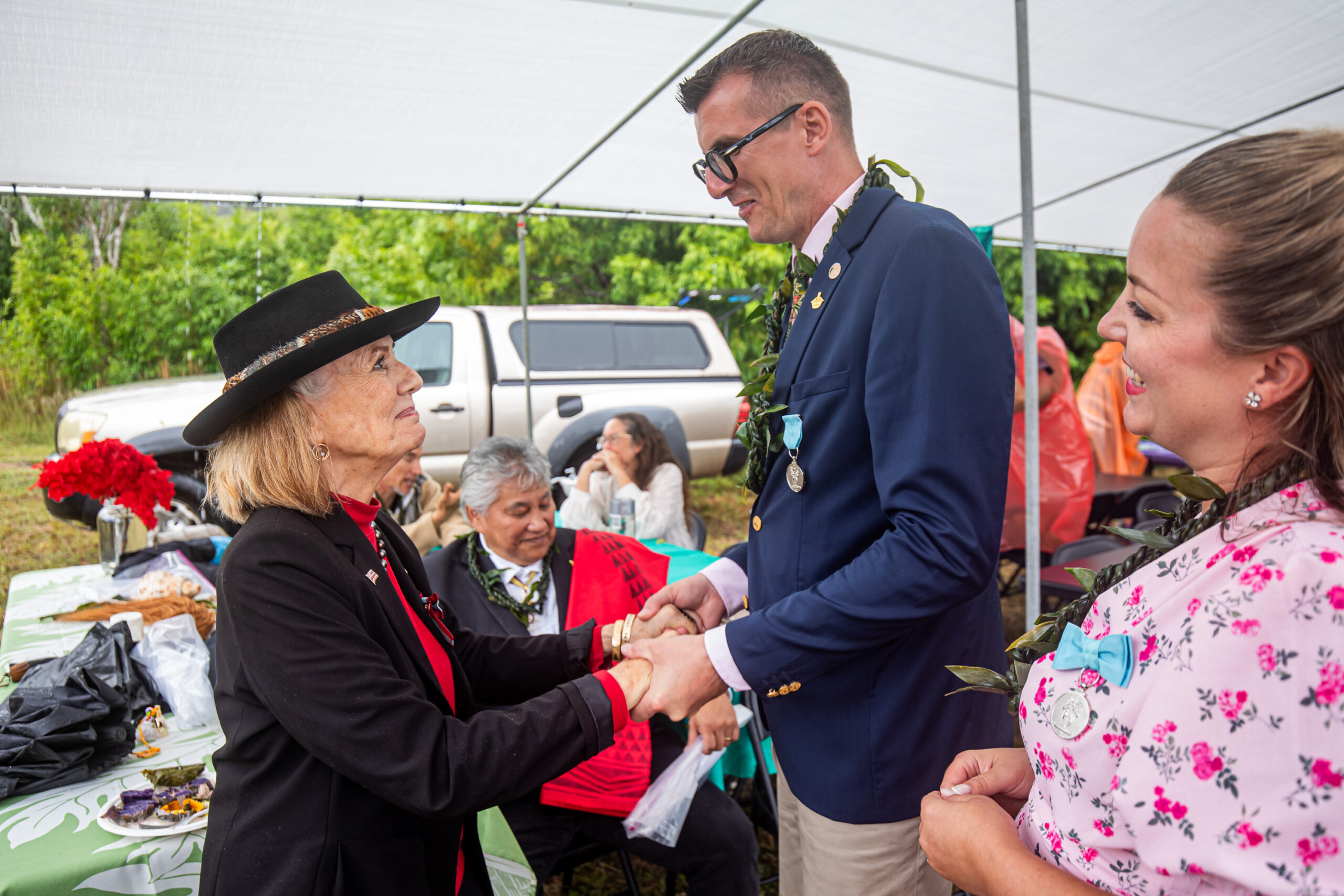
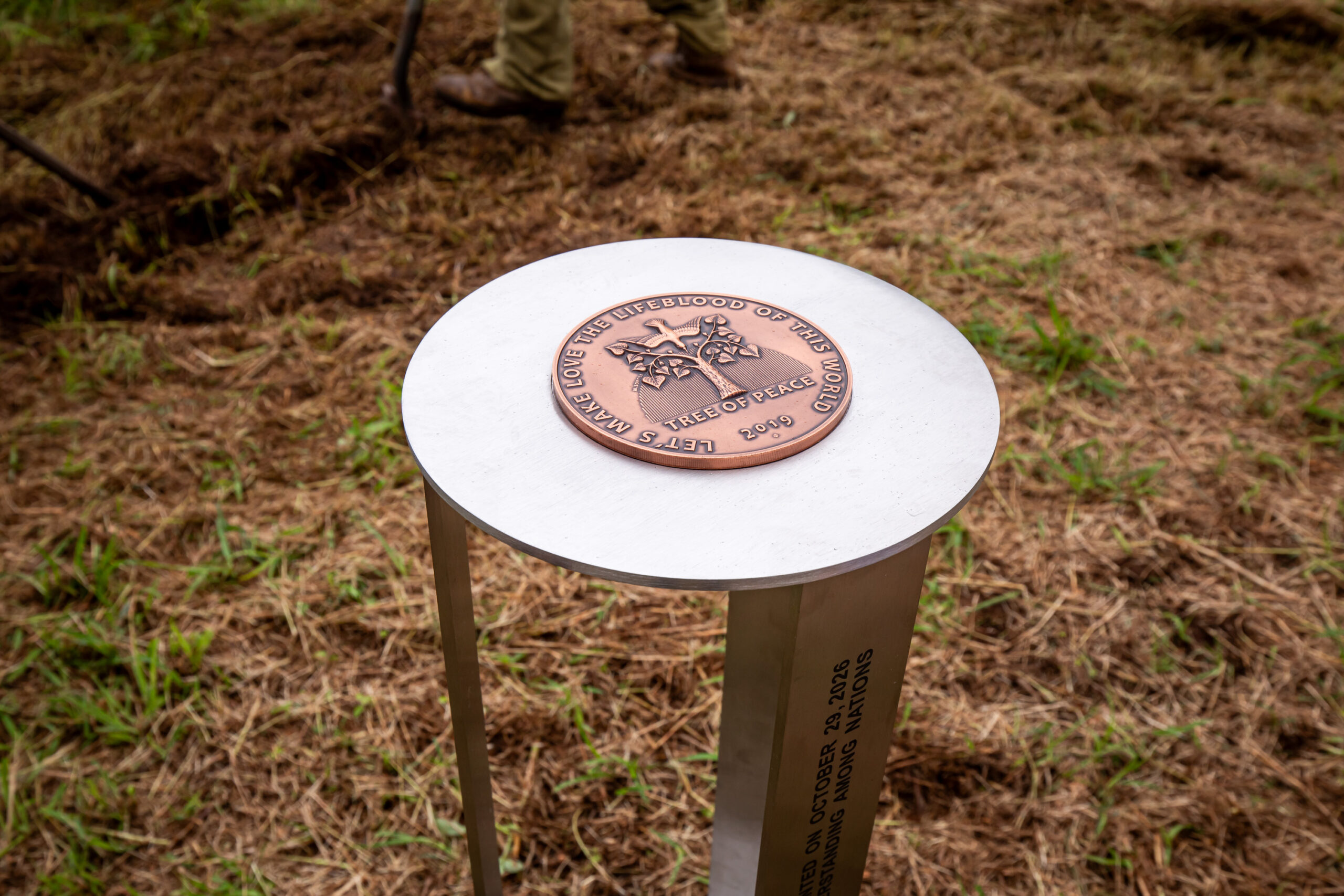
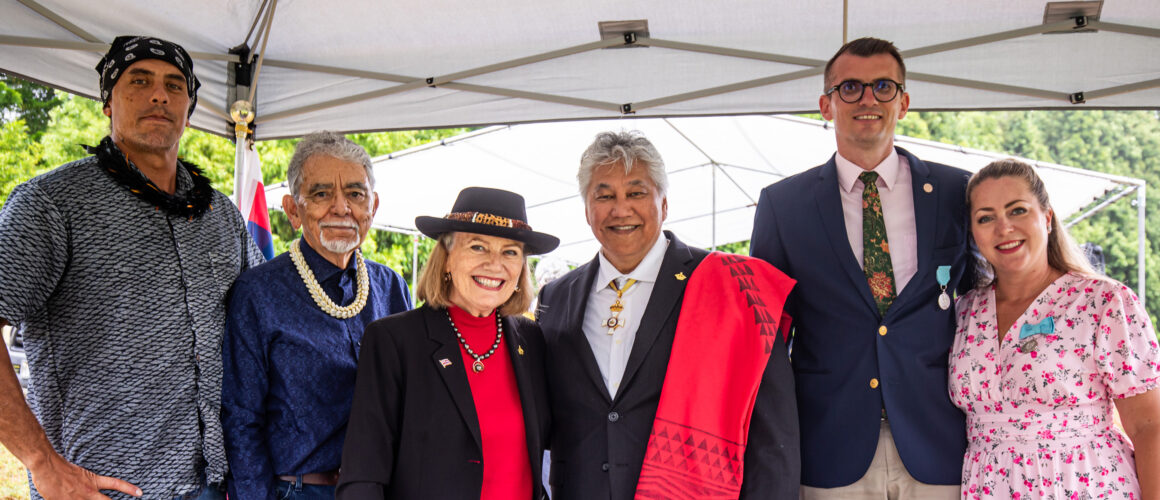
In Hawaii, together with the Princess and the Kamehameha and Olohana foundations, we planted an ʻulu (breadfruit tree), the 45th Tree of Peace. The tree was planted on the grounds of the Hawaiʻi Environmental Regenerative ʻOhana Educational System for the Intergenerational Transfer of Knowledge, set amidst the beautiful Hawaiian tropical landscape at the foot of Mauna Kea, the tallest mountain in the world. This parcel of land was recently returned to the indigenous people. At the roots of the tree, we placed not only items representing traditional Hawaiian culture but also stones and coins from Slovakia. During a formal ceremony—incorporating elements of indigenous culture yet imbued with a Christian spirit—we presented Her Royal Highness with the Memorial Medal of the Tree of Peace in a Special Class with Rubies, one of the highest honours bestowed by Servare et Manere. Her Royal Highness, in turn, bestowed royal honors upon the entire Servare et Manere delegation. The Royal Order of the Crown of Hawaiʻi was awarded to Katarína Rybáriková (Deputy Secretary-General of Servare et Manere), Lukáš Macek, and Nina Staníková. In addition to this order, Secretary-General Sobola was also honoured with the Royal Order of the Star of Oceania.
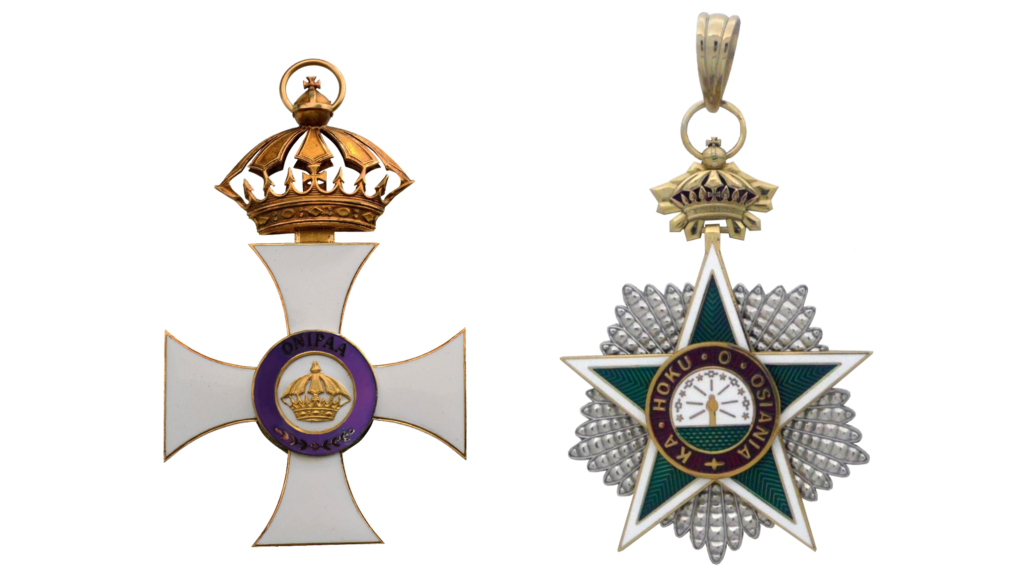
Royal Order of the Crown of Hawaiʻi and Royal Order of the Star of Oceania
The Royal Order of the Crown of Hawaiʻi. There were two established Royal Orders of the Crown created by the sovereigns of Hawaiʻi. The first Order was introduced and created as the Order of the Crown and Cross by H.M. King Kamehameha III in July 1848, on the advice of his Minister of Foreign Affairs, Robert C. Wyllie. Although the decorations, motto & colors were not created because of resistance by the Americans in the islands to establish the order. This order was held in abeyance until the statutes were amended under the fons honorum in 2016 by HRH Princess Owana Kaʻōhelelani, who is the current Head of the Royal House of Hawaiʻi and Grandmaster of the order. The revised 2016 order installs the name as the Royal Order of the Crown of Hawaiʻi with the ribbon colors of gold with purple edges, the shield has a purple ring surrounding the Hawaiian crown with the motto “Onipaʻa”. The motto is that of H.M. King Kamehameha V as well as H.M. Queen Liliʻuokalani, which has the meaning to be steadfast and to be firmly bound together. The second order was created in 1883 by H.M. King Kalākaua as the Order of the Crown. This order is held in abeyance after H.M. Queen Liliʻuokalani was illegally deposed on January 17, 1893.
The Royal Order of the Star of Oceania. In 1886, King Kalakaua established the Royal Order of the Star of Oceania to help build alliances with notable people throughout the Pacific and advancing his plan to establish a conference of islands across the Pacific. It was held in abeyance after the illegal overthrow of Queen Lili’uokalani in 1893. The order is now reestablished by the senior heir to the Royal House of Hawaii, Her Royal Highness Princess Owana Kaʻōhelelani.
Both royal orders are primarily conferred upon heads of state and members of royal families and dynasties. Furthermore, they serve as a recognition of merit for loyal supporters of the royal family, as well as for individuals who have made significant contributions to the development of culture and education in Hawaiʻi. The Order of the Star of Oceania is also awarded to individuals who have made an extraordinary contribution to the development of culture and education in Hawaii and throughout Polynesia.
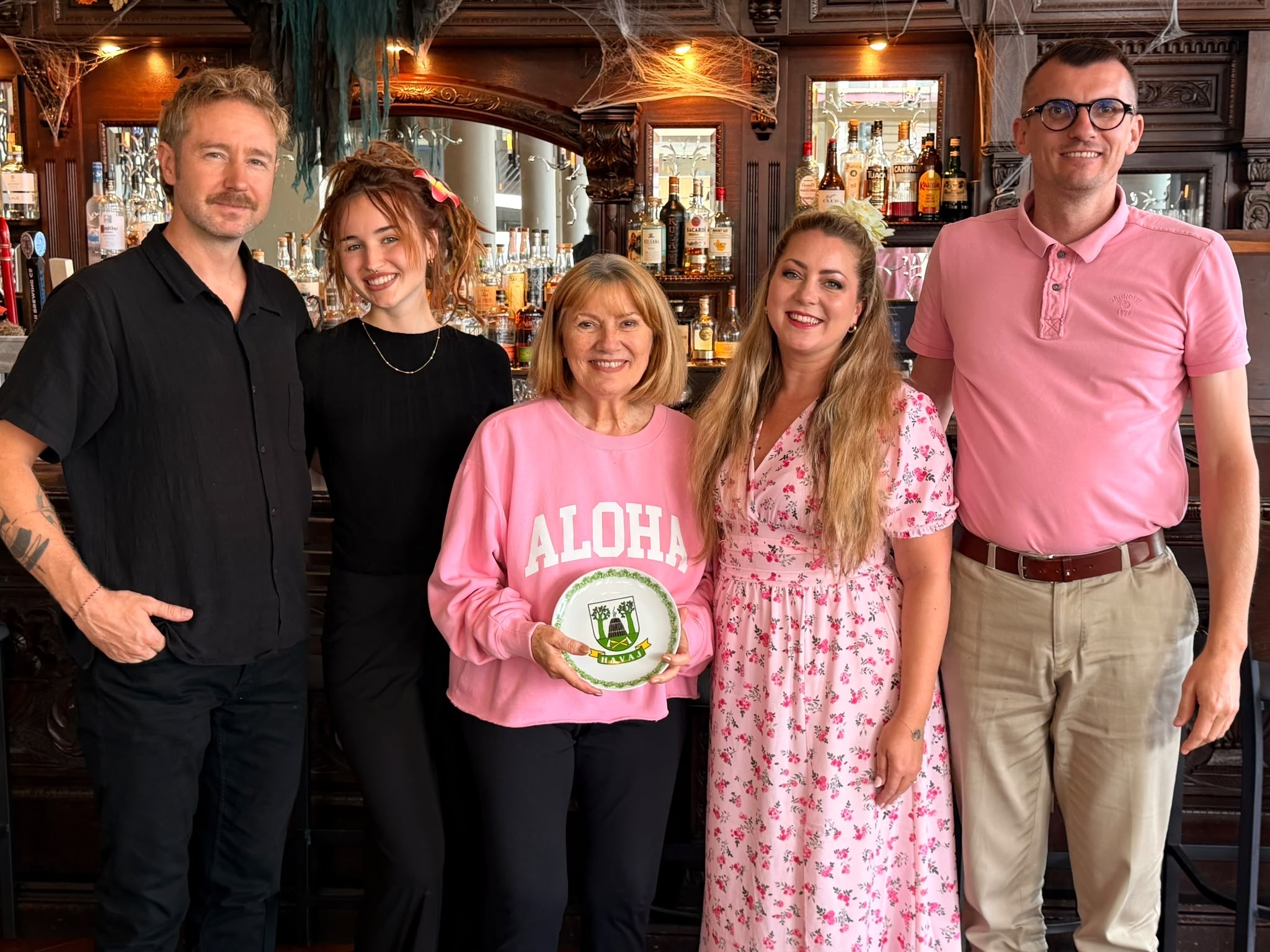
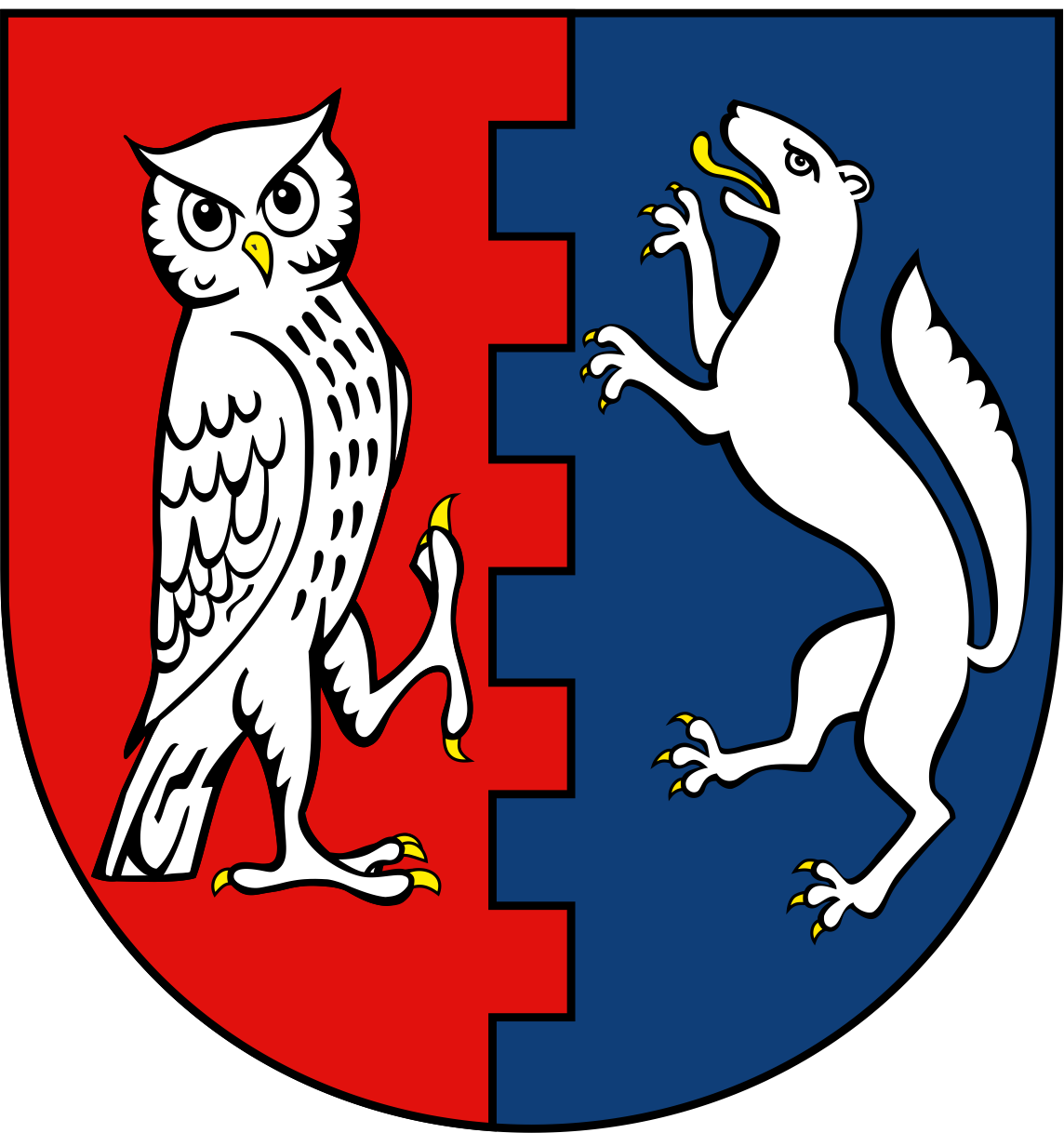
And finally, an interesting fact: did you know that there is a place called “Havaj” (Hawai) in Slovakia, too? In the east of the country lies a small village with approximately 390 inhabitants. The mayor at the time presented various items as gifts, which were a great success in Hawaii! Upon seeing a plate bearing the village’s coat of arms, Her Royal Highness even exclaimed, “Is that a volcano, too?” She was referring to the fact that on the Island of Hawaii—the largest of the eight main Hawaiian islands—the dominant feature is the volcano Mauna Kea, the tallest mountain in the world. What an intriguing graphic connection! In reality, the coat of arms of the village of Havaj features a wooden pyramid—a structure used in this region in the past to produce charcoal. Thus, we share not only the same name but also a similarity in symbols linked to fire and its role in the inhabitants’ livelihood—all this between places nearly 13,000 km apart!
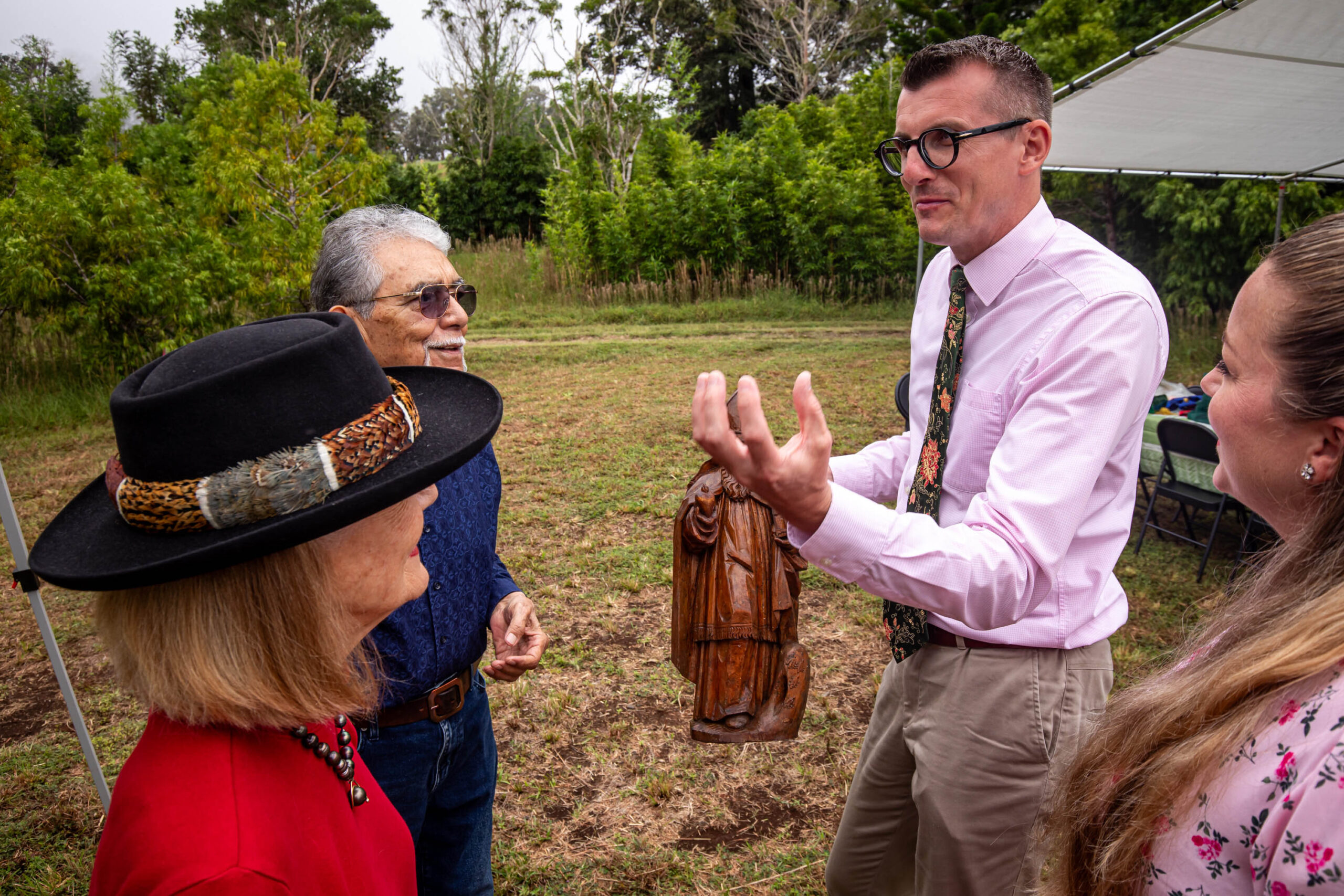
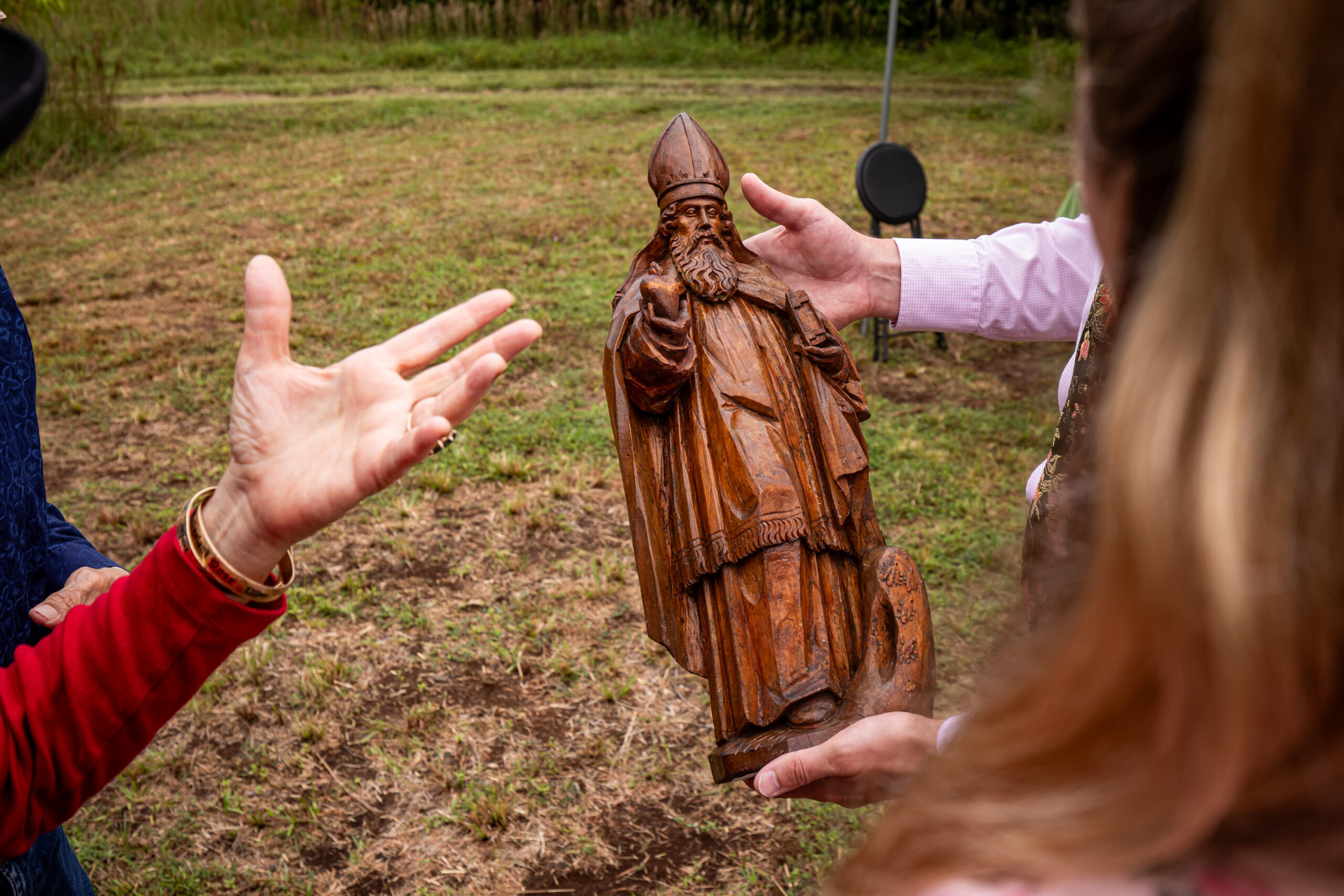
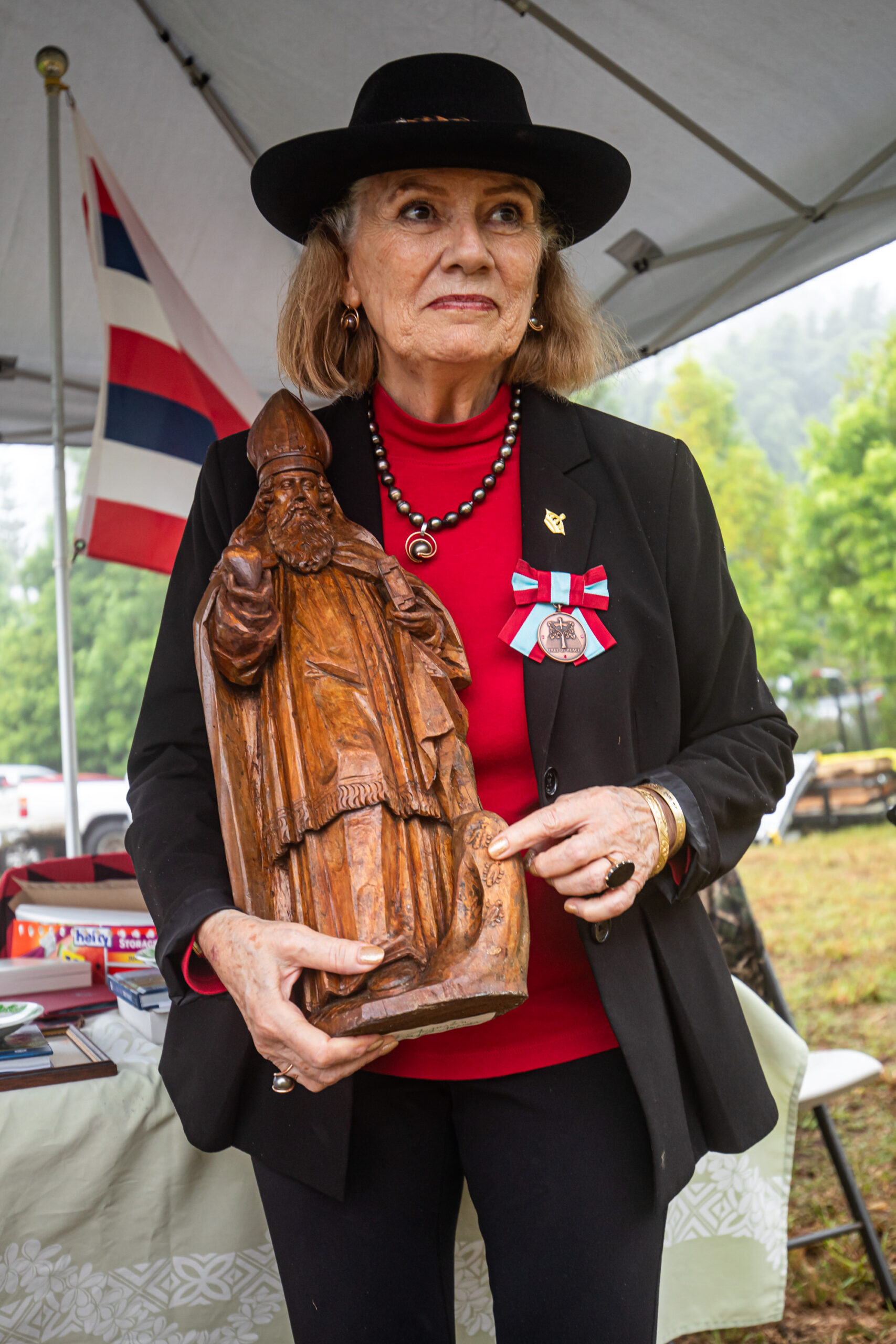
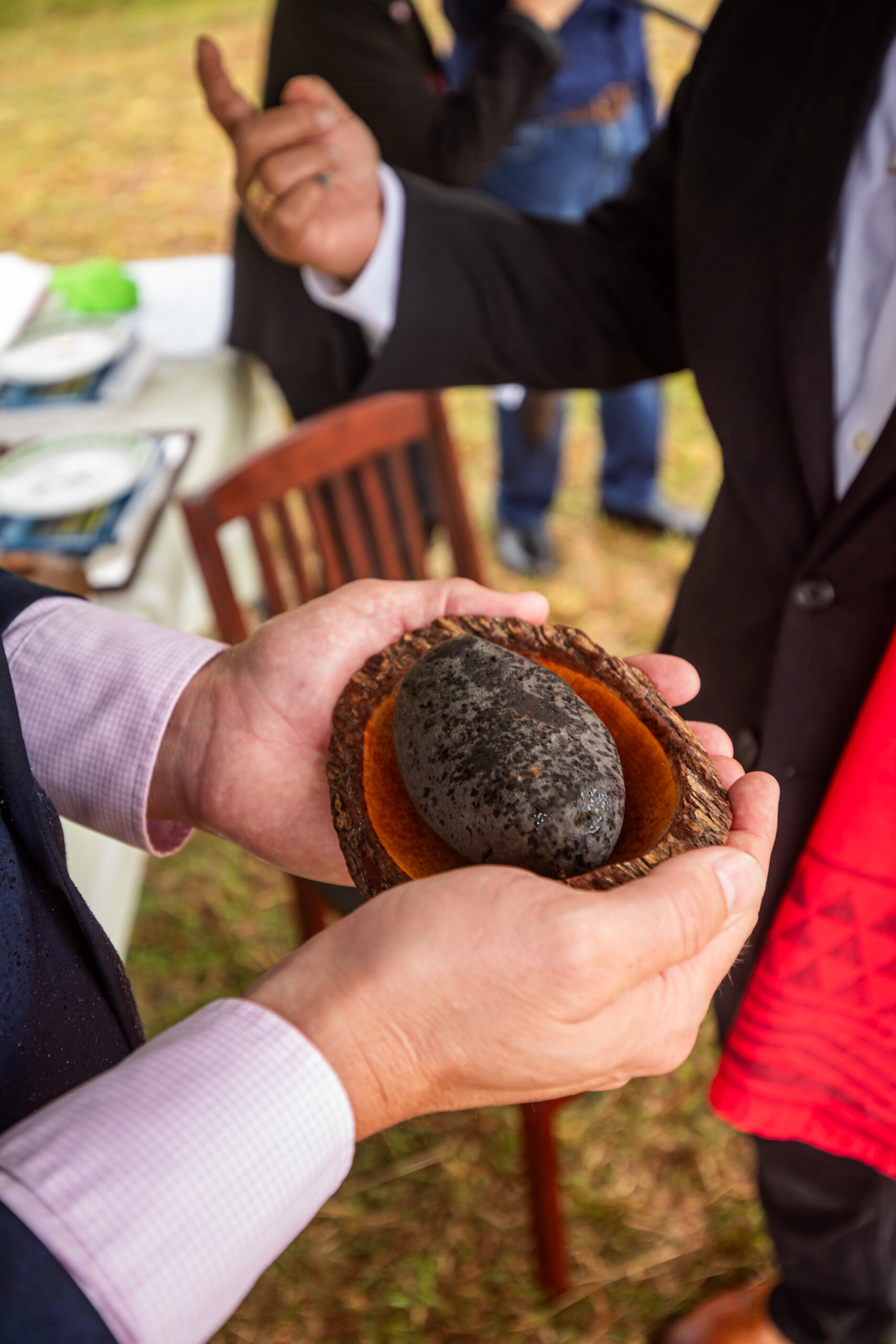
We also presented the Princess with a statue of Saint Augustine, nearly 200 years old. The statue was created within the territory of present-day Slovakia at a time when the Kingdom of Hawaii was flourishing. During a special ceremony, Servare et Manere acquired a stone from Mauna Kea. But that is a story for another time—the story of our Wayside shrine at Bôrik in Žilina, which will incorporate elements from all over the world… And the heart held in the saint’s palm will be symbolically transformed, within this small religious structure, into a Hawaiian stone heart—specifically, it will become the heart of the infant Jesus, whom the Virgin Mary holds in her arms.