Rep. n° 25/2025
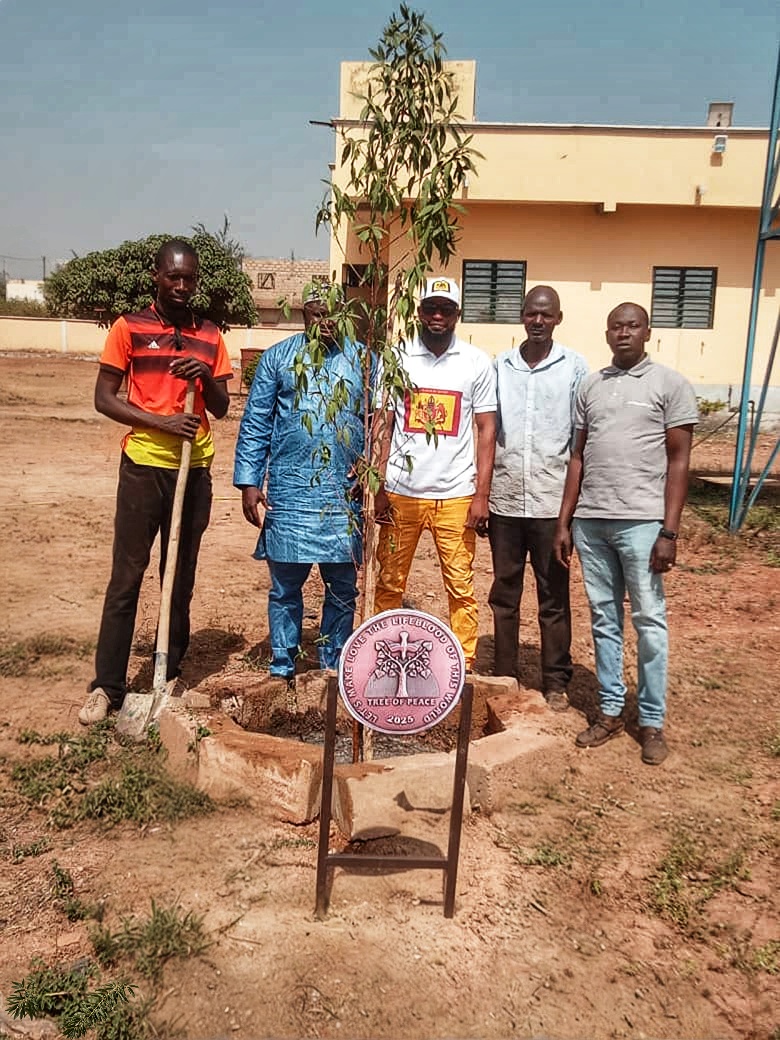
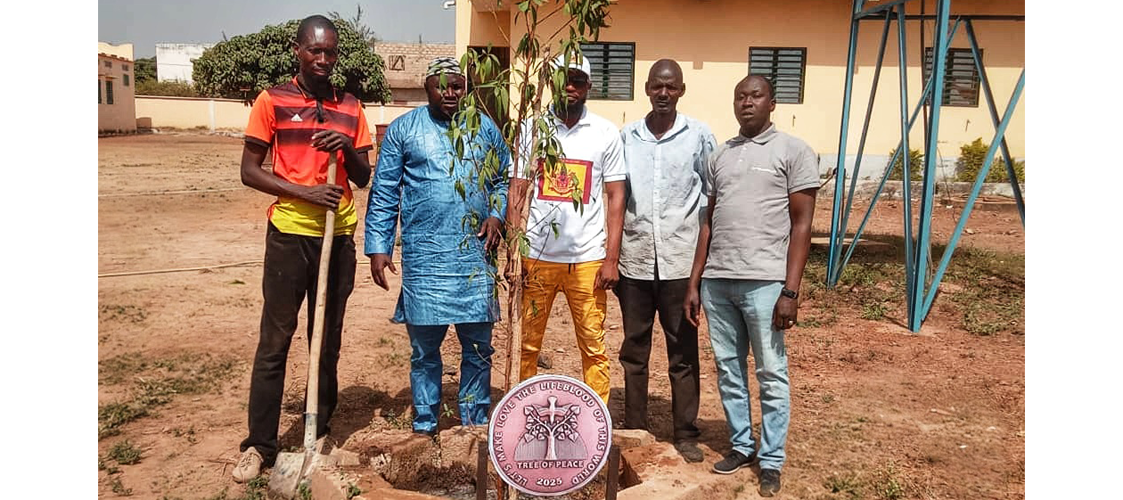
Bamako, December 22, 2025. The first planting of the Tree of Peace on the African continent under the auspices of the Head of the Keïta Dynasty: a symbolic gesture of hope and resilience for the Mandéka community. For Servare et Manere, this significant milestone comes in the 15th year of the association’s existence, founded to preserve the values of our ancestors, restore historical monuments, and since 2018, the association’s main project has been the international Peace Tree initiative, which aims to support activities to promote peace and friendship between nations. The symbolic image of the tree connects two important and current topics: peace and the climate crisis. Through a system of awards and honorary distinctions, Servare et Manere also pays special attention to individuals and institutions that contribute to strengthening international cooperation through their commitment and meritorious deeds. The laureates of the international peace awards of this Slovak association are heads of state, ministers, prominent ecclesiastical dignitaries, members of ruling and non-ruling royal families, as well as international organizations.
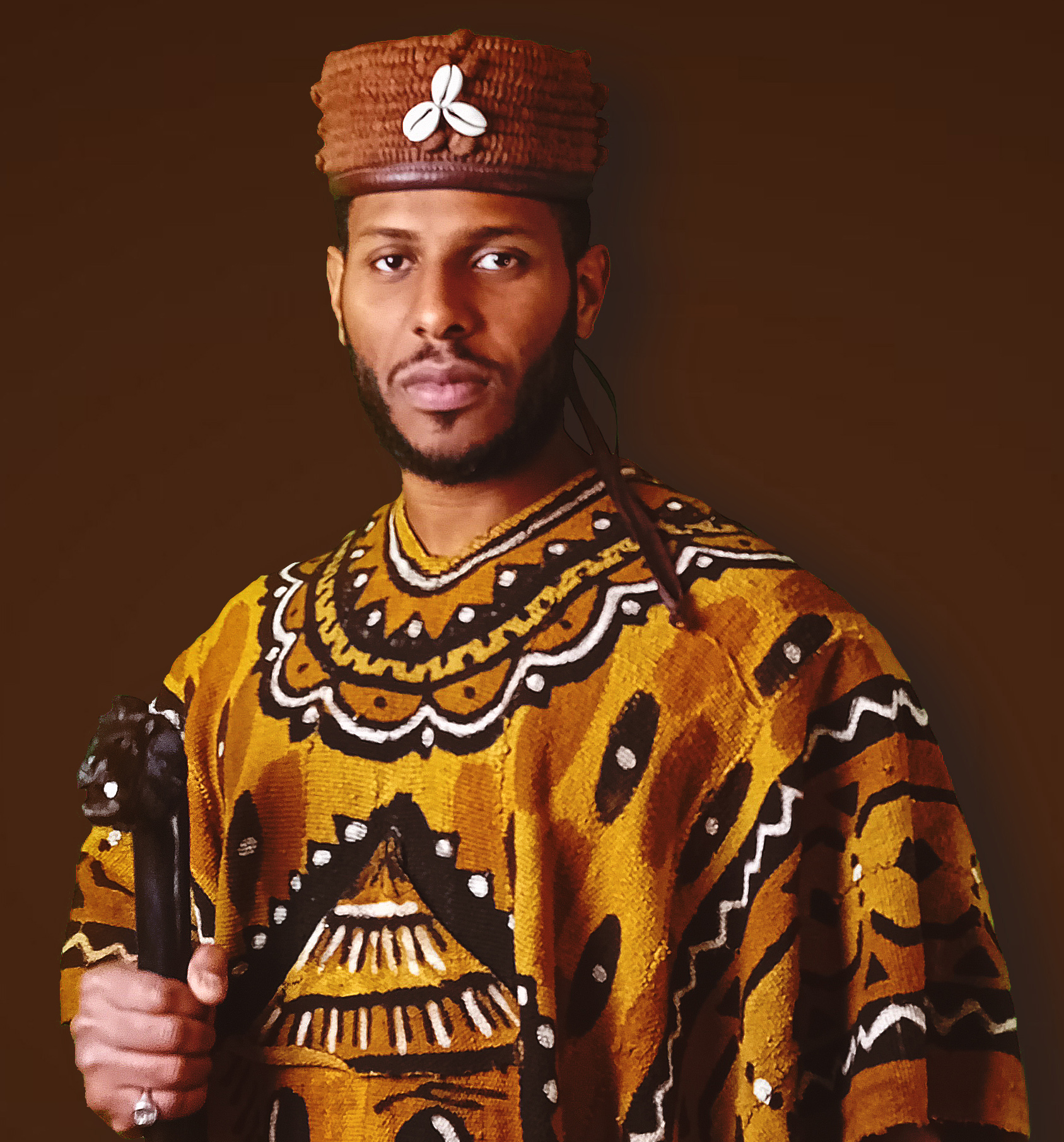
His Imperial Highness Mansaren Hashim Keïta de Mandé, current Head of the Keïta Dynasty
The Imperial House of Mandé is honoured to announce an exemplary partnership with the Slovak association Servare et Manere, a non-governmental organization holding Special Consultative Status with the UN ECOSOC and initiator of the international project “Tree of Peace.” The Imperial House of Mandé refers to the historical ruling dynasty of the Mali Empire, the largest state in medieval northwest Africa, as well as the current organization of the descendants of the imperial family. The empire was founded in 1235 by Sundiata Keïta, who was granted the title of Mansa (emperor). The Keïta dynasty ultimately ruled until the 17th century. It reached its peak in the 14th century under the ruler Mansa Musa I, when it became known for its immense wealth and its significant cultural and Islamic influence throughout West Africa. Mansa Musa I is still considered the richest man in history.
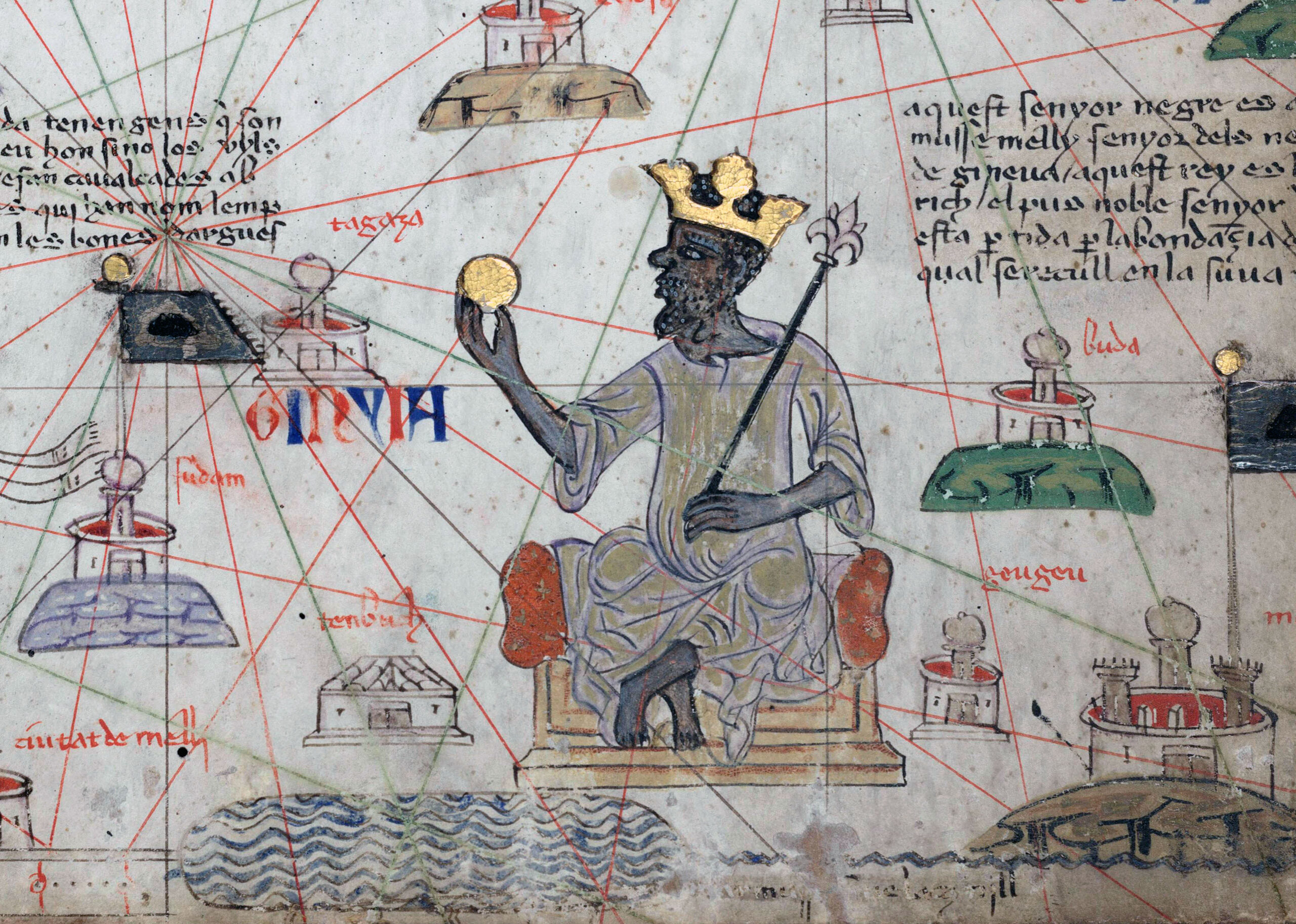
Depiction of Mansa Musa I from the 1375 Catalan Atlas
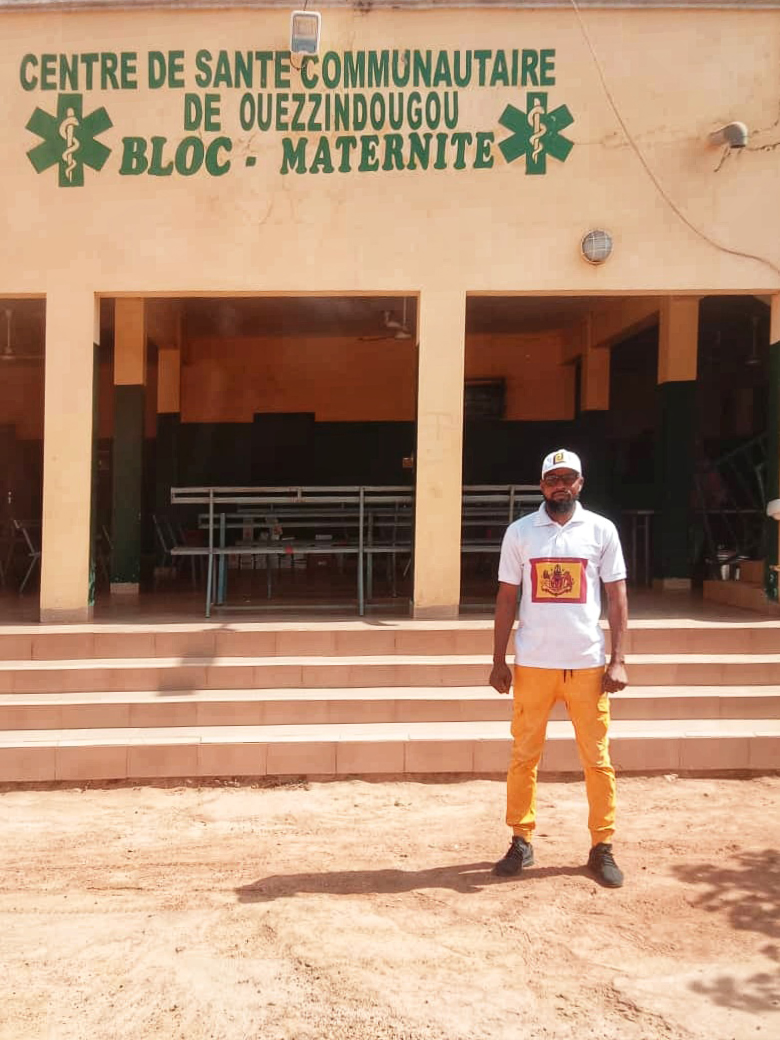
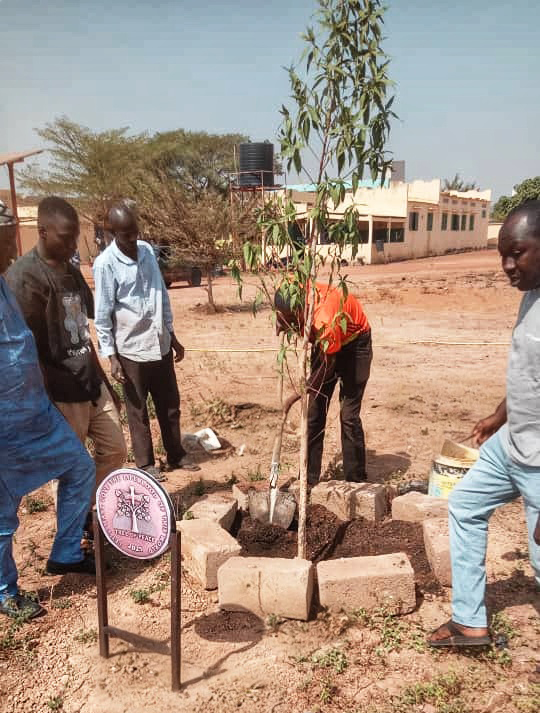
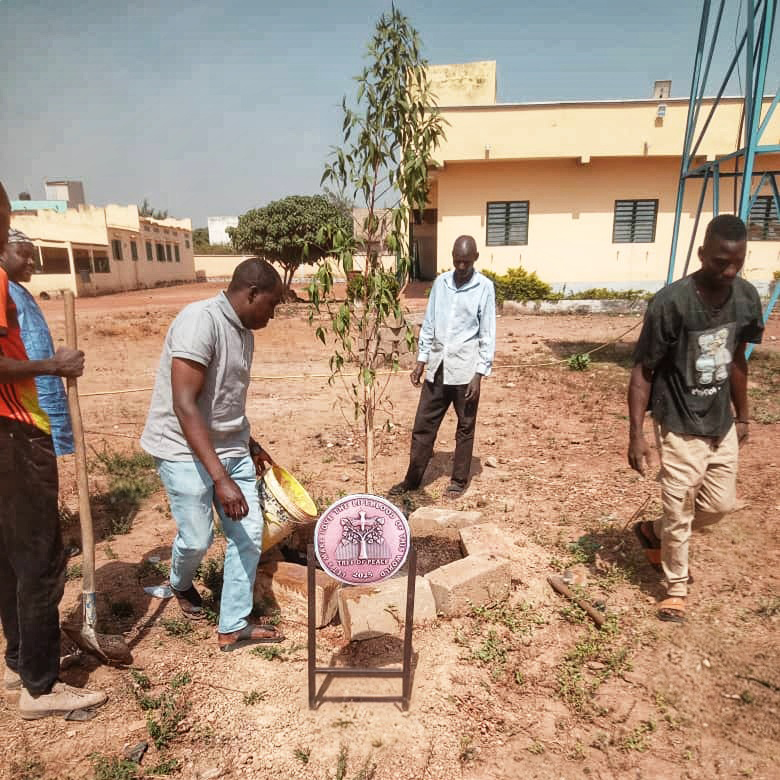
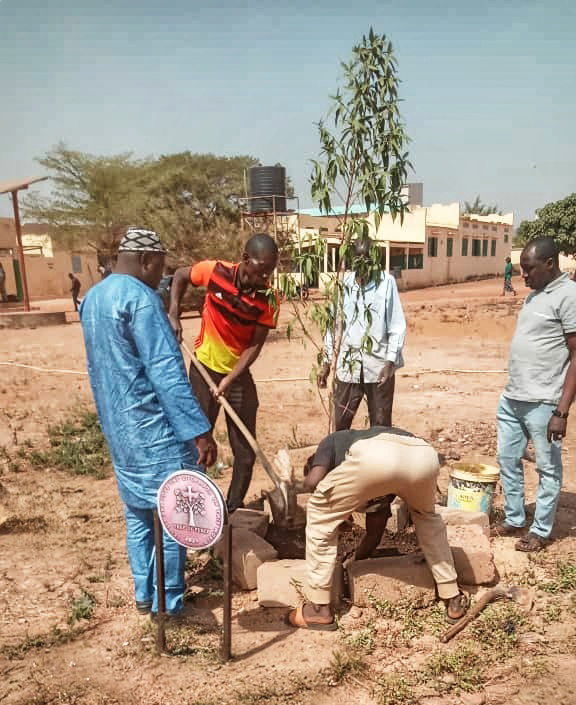
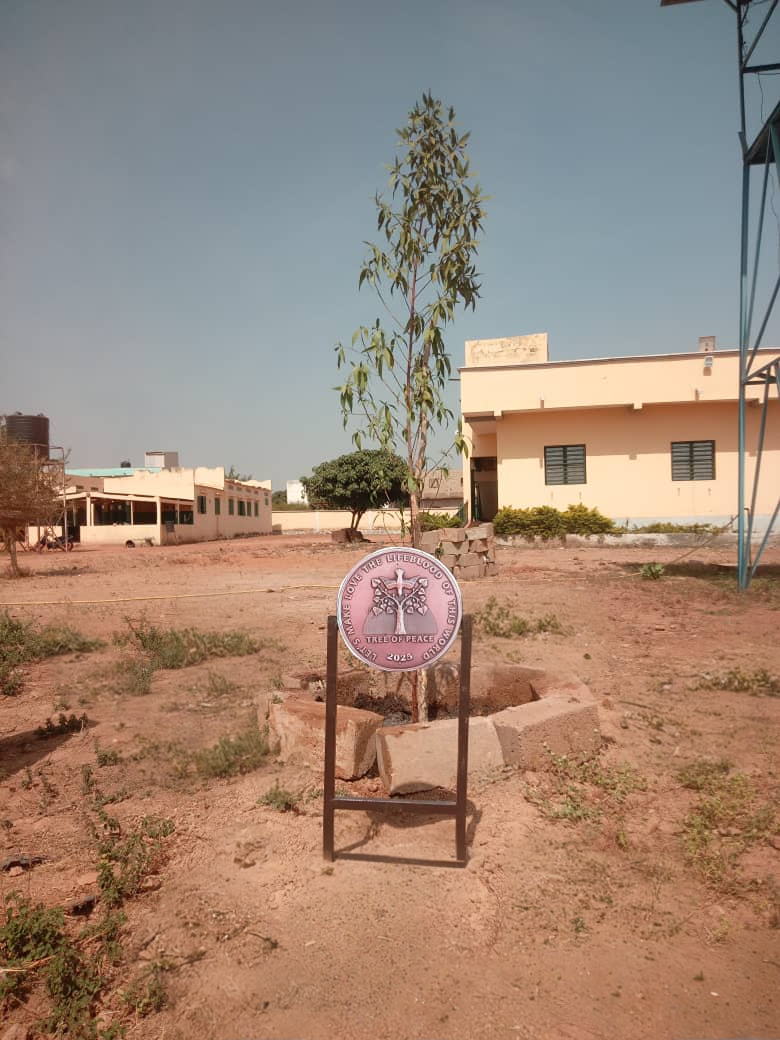
This planting, carried out at the end of 2025, reflects a profound spirit of resilience, particularly for the Mandéka community in its broader sense – which extends beyond Mali’s borders to encompass all Mandingue peoples in West Africa. It also bears witness to the strength of the Malian people in the face of current challenges, including fuel supply crises, security threats posed by armed groups against civilian populations, and other hardships. In this context, the determination of the Malian authorities to maintain security and the continuity of public action in service of citizens deserves particular recognition. It is with sincere and profound emotion that this Tree of Peace was planted in the Mandé region, the historical cradle of the Mali Empire, and more precisely at the maternity ward of Ouézzindougou, in the Kangaba cercle. Thanks to the noble initiative of the Imperial House of Mandé, 41 peace trees are already growing in 23 countries around the world. The Tree of Peace is now growing on every continent of the planet Earth!
This choice of location, dedicated to birth and life, perfectly symbolizes the vital force, resistance, and hope so greatly needed by communities during these trying times. This symbolism is amplified by the Baobab tree, which is Africa’s first Tree of Peace. A powerful African symbol known as the “Tree of Life,” it embodies resilience, strength, longevity, and life through its ability to retain water and thrive in harsh climates. It has provided food, shelter, and medicinal since time immemorial. It also symbolizes community and a spiritual connection to our ancestral history.
This tree, a universal emblem of hope, brings comfort and inspiration. It further demonstrates the capacity of the Imperial House of Mandé to undertake specific actions on national territory, by supporting positive initiatives that highlight the richness and beauty of our continent, especially in a space devoted to welcoming new life. The Imperial House of Mandé expresses its deepest gratitude to the association Servare et Manere for this enriching partnership and reaffirms its commitment to peace, unity among peoples, and sustainable development in Mali, Africa, and the world. The Tree of Peace is a bridge for intercultural and interreligious dialogue!